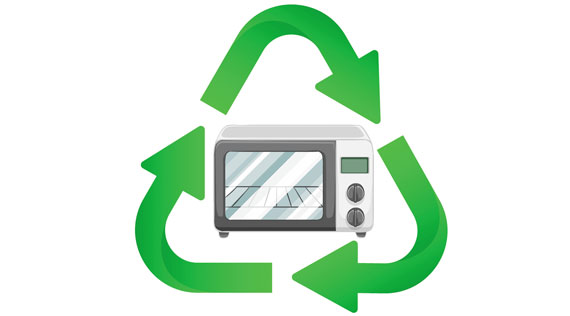
Electronics Recycling Centers in the United States

Windy City Metal Recycling & Resources, LLC
Yard Address:
4617 W. Division St(at Cicero Ave.)
Chicago
Illinois
United States
ZIP : 60651
Camarillo Recycling, Inc-Camarillo, CA
Yard Address:
849 Via AlondraCamarillo
California
United States
ZIP : 93012

Recyco Inc-Fresno,CA
Yard Address:
4585 E. Olive AvenueFresno
California
United States
ZIP : 93702

Evolution Recycling-National City, CA
Yard Address:
1703 Hoover Ave., Ste. ANational City
California
United States
ZIP : 91950-5511

RJR Recycling-Hollister, CA
Yard Address:
1771 San Felipe RdHollister
California
United States
ZIP : 95023

Contact EZ on the Earth
KD Recycling

Staples - New York
Yard Address:
16 East 34th StreetNew York
New York
United States
ZIP : 10016

Sadoff Iron & Metal Co-Lincoln,NE
Yard Address:
5020 NW 39th StreetLincoln
Nebraska
United States
ZIP : 68524

General Scrap-Winnipeg,MB
Yard Address:
135 Bismarck Street PO Box 67 St. Boniface PostalWinnipeg
Manitoba
Canada
ZIP : R2C 2W2

Miller Recycling Corp-Mansfield,MA
Yard Address:
73 Plymouth StreetMansfield
Massachusetts
United States
ZIP : 02048

Excel Recycling LLC-Charlton,MA
Yard Address:
17 Griffin RoadCharlton
Massachusetts
United States
ZIP : 01507

PCDisposal-New Century,KS
Yard Address:
400 New Century PkwyNew Century
Kansas
United States
ZIP : 66031

Western Metals Recycling LLC - Colorado

Dutchak Scrap Metal
Yard Address:
705 Hammond Ave,Thunder Bay
Ontario
Canada
ZIP : ON P7B

Commonwealth Computer Recycling LLC
Yard Address:
Roseytown Road, Unit 8Greensburg
Pennsylvania
United States
ZIP : 15601

Beacon Mgmt. Inc.

Commodity Management Services Inc - CMS/Morrell LL

Schnitzer Steel Canada Inc

Sadoff Iron & Metal Co-Div Of Sadoff & Rudoy Indus
Yard Address:
240 W. Arndt StreetPO Box 1138 Fond Du Lac
Fond du Lac
Wisconsin
United States
ZIP : 54936-1138
Frequently Asked Questions on Electronics Recycling
E-waste generation is rising much faster than the amount being recycled. According to a UN report, only 22.3% of the e-waste produced in 2022 was officially gathered and recycled in an environmentally responsible manner. According to the most recent data available, Estonia, Norway, and Iceland boast the highest rates of electronic waste recycling, measured by the percentage of waste each country generates.
In 2020, researchers reported that nearly a million tonnes of e-waste were generated in Canada, with less than 20 percent of it being collected and recycled.
E-recycling or electronic recycling, is the process of collecting, sorting, and refurbishing old electronic devices and their components. The main goals of e-recycling are
- Environmental protection
- Resource conservation
- Energy savings
The process may include shredding, and melting to extract valuable metals, plastics, and other materials for reuse in new products.
Computer waste or electronic waste (e-waste), specifically refers to discarded computer parts. Examples of computer waste are - desktop computers, keyboards, laptops, mice, printers, monitors, scanners, and other computer-related devices. Like other electronic devices, computers contain various hazardous materials, including heavy metals and toxic chemicals, which can leach into the environment if not disposed of properly.
E-waste or electronic waste refers to electronic products that are not working or no longer of use. Computers, televisions, VCRs, stereos, copiers, and fax machines are everyday electronic products. Electronic waste can include many items, including old computers, smartphones, tablets, TVs, refrigerators, and other household appliances. Proper management and recycling of e-waste are crucial for both environmental and human health
How to Recycle Electronics Waste
Christmas Tree Recycling - Responsible Ways
Proper preparation and using a reliable Christmas tree recycling directory ensures responsible disposal and maximizes the benefits.
Stop Throwing Away LED Light Bulbs -- Do This Instead
Stop throwing away LED light bulbs and dispose of them responsibly. Proper disposal ensures environmental safety and sustainability.
Recycling and Disposal of Light Bulbs – More to Know
Proper disposal of all types of light bulbs, protects the environment and recovers valuable materials.