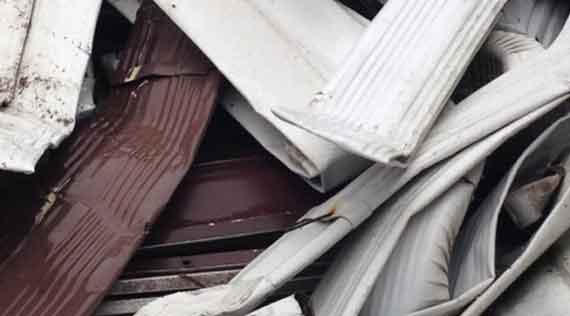
Painted Aluminum Siding Scrap consists of aluminum building siding recovered from residential, commercial and industrial properties with a painted finish on one or both sides. Common sources include siding replacement, building renovations, exterior remodeling, storm-damage repairs and demolition projects.
Under ReMA/ISRI specifications, qualifying clean, low-copper painted aluminum siding is classified as Tale. Painted siding is a recognized nonferrous scrap grade, but steel fasteners, plastic coatings, corrosion, foam insulation and other unwanted materials can prevent it from meeting the clean specification.
Painted Aluminum Siding Scrap: Quick Facts
- Material category: Nonferrous aluminum scrap
- Product type: Painted aluminum exterior siding
- Relevant ReMA/ISRI trade code: Tale
- Official trade description: Painted Siding
- Material requirement: Clean, low-copper aluminum siding
- Acceptable finish: Paint on one or both sides
- Key exclusions: Plastic coating, iron, dirt, corrosion, fiber, foam, fiberglass backing and other nonmetallic material
- Related specification: Taint/Tabor, which permits up to 10% qualifying Tale siding
- Common sources: Siding contractors, renovation projects, demolition and building deconstruction
- Typical buyers: Nonferrous scrap yards, aluminum processors and secondary aluminum consumers
What Is Painted Aluminum Siding Scrap?
Painted Aluminum Siding Scrap is aluminum exterior cladding that retains an acceptable painted surface when it is removed from a building and collected for recycling.
Aluminum siding is typically produced from wrought aluminum sheet that has been formed into exterior building panels. Painted finishes provide appearance and surface protection during the product's service life.
After installation, these panels may remain in use for many years before being replaced because of renovations, remodeling, building damage or demolition.
The recovered aluminum can enter industrial recycling streams when its condition meets the receiving processor's specifications.
Important distinction: Painted Aluminum Siding is not a catch-all name for every painted aluminum product. Painted extrusions, castings, gutters, composite panels and other aluminum items may require different commercial grades.
ReMA/ISRI Tale: Painted Aluminum Siding Specification
The Recycled Materials Association (ReMA) maintains the ISRI Specifications used as reference descriptions in commercial recycled-material trading.
Tale is the recognized trade code for Painted Siding.
The specification covers clean, low-copper aluminum siding painted on one or two sides.
Material That May Qualify as Tale
- Clean low-copper aluminum exterior siding
- Painted aluminum siding with an acceptable finish on one side
- Painted aluminum siding with an acceptable finish on both sides
- Suitable used siding removed from buildings after proper preparation
- Other siding material meeting the agreed Tale specification
Materials and Contamination Excluded From Tale
The ReMA/ISRI Tale specification requires siding to be free of:
- Plastic coating
- Iron and steel attachments
- Dirt
- Corrosion
- Fiber backing
- Foam backing
- Fiberglass backing
- Other nonmetallic materials
These exclusions help distinguish clean painted siding from composite cladding, insulated siding and other contaminated building materials.
Trade specification note: A yard may purchase aluminum siding under a broader commercial grade even when it does not meet Tale. The exact material description, grade adjustments and purchasing conditions should be confirmed with the buyer.
What Does Low-Copper Aluminum Siding Mean?
The Tale specification describes qualifying painted siding as low-copper aluminum.
Aluminum alloys contain different quantities of copper, manganese, magnesium, silicon and other elements, depending on the intended application.
Low-copper aluminum helps processors maintain suitable alloy chemistry when preparing feedstock for certain secondary aluminum products.
Aluminum siding is commonly associated with wrought aluminum sheet products, but the precise alloy cannot be determined from appearance or paint color alone.
For commercial shipments requiring documented chemistry, manufacturer records or suitable material testing may be necessary.
Important: Tale does not establish a universal numerical copper percentage in its basic trade description. Do not assign an invented copper limit to a shipment.
Can Painted Aluminum Siding Be Recycled?
Yes. Painted aluminum siding is an established scrap material and has its own recognized industry specification.
An acceptable painted finish does not automatically prevent the aluminum from entering a secondary-metal recovery process.
The main concerns are foreign materials, inappropriate coatings, alloy composition, corrosion and the receiving processor's acceptance requirements.
Industrial recycling facilities can prepare qualifying aluminum siding for downstream processing and remelting.
However, not every scrap yard purchases painted siding separately, and some apply different grades depending on condition and preparation.
Painted Siding vs. Clean Aluminum Siding
Both painted and unpainted aluminum siding may have scrap value, but purchasers can maintain different categories for each.
| Characteristic | Painted Siding | Clean Unpainted Siding |
|---|---|---|
| Surface | Acceptable painted finish | Generally without paint |
| Commercial grade | May qualify as Tale | Buyer-specific siding or sheet grade |
| Key concerns | Paint type, backing, attachments | Cleanliness, alloy, attachments |
| Purchase price | Buyer and market specific | Buyer and market specific |
Painted siding does not always sell at a fixed discount to unpainted siding. Prices depend on the buyer's accepted grade, material quality, regional demand and market conditions.
Compare Painted Aluminum Siding Scrap Prices with Aluminum Siding Scrap Prices.
Painted Aluminum Siding vs. Painted Aluminum Extrusions
Painted siding and painted extrusions are different aluminum products.
Painted Aluminum Siding is generally formed from rolled aluminum sheet and used as exterior cladding.
Painted Aluminum Extrusions are manufactured by forcing aluminum through a shaped die to produce continuous profiles.
Extrusions may be used in window frames, architectural framing, structural sections and other manufactured products.
The alloys and processing requirements can differ from those for siding.
For related pricing, see Painted Aluminum Extrusion Scrap Prices.
Sorting tip: Do not place painted window-frame profiles into a clean Tale siding shipment simply because both products have painted surfaces.
Painted Siding vs. Old Sheet Aluminum
Painted siding is a more specific material category than general Old Sheet Aluminum.
Old Sheet Aluminum describes previously used aluminum sheet recovered from buildings, fabricated products and industrial equipment.
Taint/Tabor is the ReMA/ISRI specification for qualifying clean mixed old alloy sheet aluminum.
The Taint/Tabor specification permits up to 10% qualifying Tale painted siding.
This does not mean all painted aluminum or all contaminated siding may be added to a clean old sheet shipment.
Where the buyer offers separate Old Sheet and Painted Siding prices, keeping the material segregated may allow more accurate grading.
Compare Aluminum Sheet Scrap Prices with the dedicated Painted Siding price category.
Painted Aluminum Siding vs. Vinyl Siding
Painted aluminum siding and vinyl siding are manufactured from different materials and belong to separate recycling streams.
Aluminum siding contains a metal substrate.
Vinyl siding is generally manufactured from polyvinyl chloride (PVC), a plastic material.
Vinyl siding should not be mixed into an aluminum scrap load. It requires separate evaluation and a suitable plastics recycling or disposal arrangement.
When sorting demolition materials, confirm the substrate rather than relying only on exterior color or surface finish.
How to Identify Painted Aluminum Siding Scrap
Correct identification helps keep low-copper aluminum siding separate from steel siding, vinyl cladding and unrelated aluminum products.
- Identify the building product: Confirm that the material originated from exterior siding rather than framing, gutters or another aluminum component.
- Inspect an existing exposed edge: Determine whether the siding has a metallic aluminum substrate.
- Check magnetic response: A magnet can help locate steel fasteners or identify some steel siding.
- Inspect the reverse side: Look for attached foam, fiberglass, fiber or other backing materials.
- Examine the coating: Distinguish ordinary painted finishes from plastic-coated or composite material where possible.
- Assess condition: Identify severe corrosion, dirt and other contamination.
- Separate unrelated materials: Keep vinyl siding, extrusions, steel panels, castings and other scrap out of a clean Tale load.
- Confirm the grade: Ask whether the receiving buyer purchases clean Tale, general Painted Siding or contaminated aluminum siding.
Identification note: A magnet cannot establish the exact aluminum alloy or distinguish all coatings. Material markings, source documentation or professional identification may be necessary for uncertain products.
Do Steel Nails, Screws and Clips Need to Be Removed?
Material intended to meet the clean Tale specification must be free of iron.
Steel nails, screws, siding clips, brackets and other ferrous attachments should therefore be addressed before a load is sold as clean Tale.
A magnet may help identify many remaining steel components, but it should not replace a broader inspection for other contamination.
For larger loads, ask whether the scrap buyer requires removal of all attachments or purchases prepared and unprepared siding separately.
Commercial consideration: Removing attachments can improve grade eligibility, but the work should be performed safely and only when the expected return justifies the preparation cost.
Can Foam-Backed or Insulated Aluminum Siding Be Recycled?
Aluminum siding with attached foam, fiberglass or fiber backing does not meet the clean Tale specification as received.
These nonmetallic materials can affect the recoverable aluminum fraction and require additional processing.
Possible commercial arrangements include:
- Professional separation of backing materials
- Sale under a buyer-specific contaminated aluminum grade
- Recovery-based purchasing terms
- Specialized processing by a facility equipped for composite siding
If a processor can economically separate the backing, the recovered aluminum may be evaluated for a cleaner grade.
Not every facility accepts insulated aluminum siding, so confirm the receiving requirements before collection or delivery.
Can Plastic-Coated Aluminum Siding Qualify as Tale?
No. Plastic-coated siding is specifically excluded from the Tale specification.
A plastic layer, laminated film or vinyl-type surface coating is not automatically equivalent to an acceptable painted finish.
Plastic-coated aluminum may require different recycling preparation or acceptance under another commercial grade.
When the coating is uncertain, do not assume Tale eligibility based solely on the aluminum substrate.
Does Heavy Paint Automatically Reduce Scrap Value?
Not necessarily. Tale is specifically intended for painted aluminum siding, so an acceptable painted surface is an expected characteristic of the material.
However, unusually thick coatings, multiple incompatible layers, plastic finishes or other contamination may affect a buyer's grading requirements.
Painted siding prices therefore depend on more than whether a product has a visible coating.
Do not burn, chemically strip or grind paint simply to make aluminum appear cleaner. Such activities can introduce workplace and environmental hazards.
What About Corroded or Weathered Aluminum Siding?
Aluminum naturally develops an oxide film on its surface, which contributes to corrosion resistance in many applications.
Normal surface appearance changes and significant corrosion damage are not necessarily the same condition.
However, ReMA's Tale specification requires material to be free of corrosion.
Where siding has obvious corrosion, pitting, heavy surface degradation or uncertain material condition, the buyer should evaluate it before clean-grade classification.
Severely degraded material may be accepted under another aluminum category or require special processing.
Clean vs. Dirty Painted Aluminum Siding
Scrap yards may maintain separate categories for clean painted siding and contaminated aluminum siding.
Clean Painted Aluminum Siding
Clean material should meet the buyer's accepted siding specification and be free of disallowed attachments, backing and contamination.
Qualifying material may meet the standardized Tale grade.
Dirty Painted Aluminum Siding
Dirty material may contain:
- Steel fasteners and brackets
- Foam or fiberglass backing
- Plastic coatings or attachments
- Rubber components
- Excessive sealants
- Dirt and demolition debris
- Significant corrosion
- Other foreign materials
These materials can reduce the recoverable aluminum fraction and increase downstream preparation requirements.
Dirty siding may be sold under a buyer-specific category, subject to the receiving facility's acceptance rules.
Painted Aluminum Siding Scrap Prices
Painted Aluminum Siding Scrap prices depend on the accepted grade, recoverable aluminum content, alloy composition, cleanliness, shipment size, market conditions and buyer location.
A load meeting clean Tale requirements may receive different purchasing terms from insulated siding, plastic-coated material or a mixed demolition-metal shipment.
What Determines the Buying Price?
- Material grade: Tale, general Painted Siding or contaminated aluminum
- Alloy composition: Suitability for the buyer's secondary aluminum process
- Cleanliness: Iron, dirt, insulation and other foreign materials
- Surface treatment: Acceptable paint versus plastic or composite coatings
- Condition: Corrosion, damage and other contamination
- Quantity: Consistent commercial loads may qualify for different purchase arrangements
- Market conditions: Aluminum scrap demand and downstream processing economics
- Location: Scrap buyer competition and transportation costs
- Preparation: Attachment removal, sorting, bundling and handling costs
Available Painted Aluminum Siding Scrap Prices
Review RecyclingMonster's available Painted Siding price records below. Confirm the exact material category, reporting date, currency, weight unit and location before comparing quotations.
The prices listed below are country averages paid by recycling centers in the United States
| Scrap Material | National Average | High Price | Low Price | Unit | Updated |
|---|---|---|---|---|---|
| Aluminum Condensers Scrap | $0.36 | 0.36 | 0.36 | USD/LB | 2025-04-09 |
| Aluminum Clean Die Cast Scrap | $0.24 | 0.24 | 0.24 | USD/LB | 2024-04-05 |
| Aluminum Coolers Dirty Scrap | $0.31 | 0.31 | 0.31 | USD/LB | 2022-02-19 |
| Painted Aluminum Scrap | $6.95 | 8.21 | 5.68 | USD/LB | 2019-12-10 |
| Aluminum Painted Siding Scrap | $0.57 | 0.57 | 0.57 | USD/LB | 2019-12-09 |
For dedicated grade-specific data, visit Aluminum Painted Siding Scrap Prices.
For related market comparisons, use Aluminum Siding Scrap Prices and Painted Aluminum Scrap Prices.
These categories are not interchangeable. Historical observations and general aluminum averages should not be represented as guaranteed current Tale-grade purchase quotations.
Is Painted Siding Worth Less Than Unpainted Aluminum?
There is no permanent price relationship between painted and unpainted aluminum siding across every market.
Some buyers distinguish clean unpainted sheet, Tale painted siding and broader coated-aluminum categories.
Purchasing prices depend on alloy composition, coating requirements, recoverable metal, regional demand and processing costs.
The most useful comparison is between actual quotations for clearly defined grades from the same buyer or comparable local buyers.
How to Sort and Prepare Painted Aluminum Siding for Sale
Good preparation starts during siding removal, before clean metal becomes mixed with demolition debris and other building materials.
- Separate aluminum from vinyl and steel siding: Identify each material before combining it with the scrap load.
- Keep painted siding together: Collect suitable siding separately from other aluminum forms.
- Remove significant steel attachments: Address nails, screws, clips and brackets where safe and practical.
- Separate insulated siding: Do not mix foam-backed, fiberglass-backed or fiber-backed products into a clean Tale shipment.
- Identify plastic coatings: Keep plastic-coated or composite materials separate for evaluation.
- Check corrosion and condition: Set aside questionable or heavily degraded material if required by the buyer.
- Exclude unrelated scrap: Keep castings, beverage cans, extrusions, copper and other materials out of siding-only shipments.
- Minimize contamination: Avoid excessive dirt, wood, roofing debris and other waste.
- Confirm packaging: Ask the buyer about acceptable lengths, bundling, baling and container requirements.
- Document commercial loads: Record material grade, origin, weight and preparation details.
Safety note: Siding panels may have sharp edges, and older building materials can contain coatings or other substances requiring special handling. Do not burn or use uncontrolled methods to remove paint or backing materials. Follow applicable renovation, demolition, occupational safety and waste-handling requirements.
How Is Painted Aluminum Siding Recycled?
Suitable painted aluminum siding can provide secondary aluminum feedstock for industrial metal recycling.
A typical commercial recycling process may involve:
- Receiving and inspection: Material is weighed and evaluated against the purchasing specification.
- Grade separation: Clean painted siding is distinguished from unpainted sheet, extrusions, castings and contaminated products.
- Attachment removal: Steel and nonmetallic components are removed as required.
- Scrap preparation: Material may be cut, bundled, baled or shredded for downstream handling.
- Coating management: The recycling process addresses acceptable organic coatings using suitable industrial controls.
- Melting: Accepted aluminum scrap enters industrial melting operations.
- Alloy adjustment: Metal composition is managed to meet manufacturing requirements.
- Quality verification: Recovered aluminum is checked for its intended downstream use.
Depending on alloy chemistry and processing quality, recovered aluminum may be used in suitable rolled, cast or other aluminum-alloy products.
Not every recycled siding panel becomes new siding. Its final application depends on downstream metal specifications.
Where Can You Sell Painted Aluminum Siding?
Painted Aluminum Siding may be purchased by nonferrous scrap yards, aluminum processors and specialized metal recycling companies.
Facilities may distinguish clean Tale siding, general painted aluminum, dirty siding and broader mixed sheet categories.
Painted Aluminum Siding Scrap: Prices & Recycling - Material Specifications, How to Sell & Current Price accepting recycling centers in the United States
- Matonis Scrap Metals CO 45
John Hay Avenue
Kearny,New Jersey - Fortune Plastic & Metal, Inc - Jersey City20 Carbon Place
Jersey City,New Jersey - J & J Recycling1641 Richmond Ter.,
Staten Island,New York - Surepure Chemetals, Inc5 Nottingham Drive
Florham Park,New Jersey - Triple M Metal220 John Street
Barrie,Ontario
Use RecyclingMonster's Painted Aluminum Siding Recycling Centers Directory to research listed facilities.
The broader Recycle an Item directory includes additional siding-related searchable materials, including Painted Aluminum Siding, Painted Aluminum Siding Clean and Painted Siding.
You can also browse the Metal Recycling Centers Directory to locate additional potential aluminum buyers.
Directory listings do not guarantee current acceptance or specific purchasing prices. Contact individual facilities before delivery.
Bulk Painted Aluminum Siding: Commercial Selling Requirements
Siding contractors, roofing businesses, building renovators, demolition companies, property managers and metal recyclers may generate substantial quantities of painted aluminum siding during exterior replacement projects.
For regular or bulk shipments, buyers and sellers should confirm:
- Acceptance under Tale or another written specification
- Clean versus dirty siding grading rules
- Low-copper alloy requirements where applicable
- Acceptable paint and coating types
- Steel nail, clip and fastener restrictions
- Plastic coating exclusions
- Foam, fiberglass and other insulation requirements
- Corrosion and contamination limits
- Acceptable material dimensions and loading methods
- Container, roll-off or collection service availability
- Minimum shipment quantities and collection frequency
- Delivered versus collected pricing
- Freight, processing and handling deductions
- Weighing, inspection and rejection procedures
- Payment terms and supporting documentation
Separating qualifying Tale siding from vinyl, insulated panels, extrusions and general demolition material at the job site can reduce downstream sorting and make commercial grading more consistent.
However, any increase in net proceeds depends on the buyer's prices and the actual cost of preparation.
Frequently Asked Questions About Painted Aluminum Siding
What is the ReMA/ISRI code for Painted Aluminum Siding?
Tale is the recognized grade for clean, low-copper aluminum siding painted on one or both sides and free of specified contamination.
Can painted aluminum siding be recycled?
Yes. Qualifying painted aluminum siding is an established metal recycling commodity. Acceptance depends on condition, coatings, attachments and buyer requirements.
Does foam-backed siding qualify as Tale?
No. Foam, fiber and fiberglass backing are excluded from the clean Tale specification. Material may require separate processing or grading.
Is painted aluminum siding worth less than unpainted siding?
Not necessarily. Prices depend on the accepted grade, material condition, buyer, market conditions and location.
How do I prepare Painted Aluminum Siding for scrap?
Separate it from vinyl and other metals, identify plastic coatings and insulation, remove disallowed attachments where safe, and confirm the buyer's grade requirements.
Explore More Aluminum Scrap and Recycling Resources
Compare siding grades, review reported prices and find potential buyers using RecyclingMonster's aluminum recycling resources.
- Painted Aluminum Siding Scrap Prices
- Aluminum Siding Scrap Prices
- Painted Aluminum Scrap Prices
- Painted Aluminum Extrusion Scrap Prices
- Aluminum Sheet Scrap Prices
- Mixed Aluminum Scrap Prices
- Aluminum Scrap Market Prices
- Painted Aluminum Siding Recycling Centers
- Find a Recycling Center by Material
- Scrap Materials and Specifications Guide
- Recycling Industry News and Articles
- RecyclingMonster Homepage
Material information and safety notice: Painted Aluminum Siding Scrap grades, prices and recycling acceptance vary by material composition, condition, buyer, location and reporting date. ReMA/ISRI terminology is provided for educational reference. Final purchasing requirements and shipment terms depend on the applicable buyer-seller agreement.