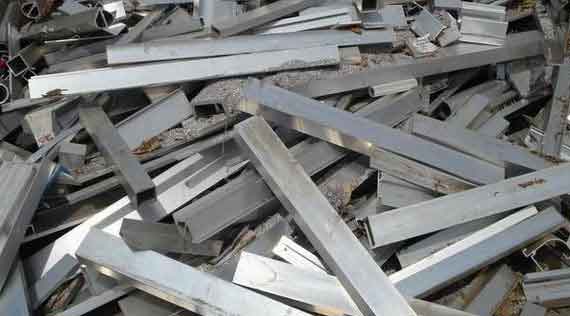
Old Mixed Aluminum Scrap consists of previously used aluminum material recovered from construction, renovation, equipment replacement and other commercial or industrial sources. In everyday scrap trading, the term may describe a broad mixture of aluminum products. However, when the material consists specifically of clean old aluminum sheet from two or more alloys, it may qualify under the ReMA/ISRI Taint/Tabor specification.
Correct identification and grading matter because clean old sheet, painted siding, cast aluminum, extrusions, beverage cans and contaminated aluminum have different recycling requirements. The accepted scrap grade and price depend on material form, alloy composition, cleanliness, attachments and the buyer's specifications.
Old Mixed Aluminum Scrap: Quick Facts
- Material category: Nonferrous aluminum scrap
- Commercial name: Old Mixed Aluminum
- Closest applicable ReMA/ISRI grade: Taint/Tabor, when the material qualifies as clean mixed old alloy sheet
- Taint/Tabor alloy requirement: Old aluminum sheet containing two or more alloys
- Oil and grease limit: Maximum 1% combined under Taint/Tabor
- Painted siding allowance: Up to 10% qualifying Tale material
- Common sources: Building renovation, demolition, sheet-metal fabrication, equipment panels and suitable architectural sheet
- Excluded from Taint/Tabor: Castings, foil, beverage containers, radiator shells, screening and other specified materials
- Key pricing factors: Scrap grade, alloy mix, cleanliness, coatings, attachments, quantity and location
- Potential buyers: Nonferrous scrap yards, aluminum processors and secondary aluminum consumers
What Is Old Mixed Aluminum Scrap?
Old Mixed Aluminum is a commercial scrap-yard term used for aluminum recovered from previously manufactured and used products.
The term can cover different types of aluminum depending on the receiving yard. Some recyclers use it primarily for old aluminum sheet, while others use a broader mixed-aluminum category for material requiring additional sorting.
Common purchasing descriptions include:
- Old Mixed Aluminum
- Old Sheet Aluminum
- Clean Mixed Aluminum
- Mixed Aluminum Sheet
- Dirty Aluminum
- Irony Aluminum
- Taint/Tabor Aluminum
These names should not be assumed to describe identical material or purchasing specifications.
Important distinction: Old Mixed Aluminum is a broad commercial description. Taint/Tabor is a defined trade specification for clean mixed old alloy aluminum sheet. A general mixed-aluminum load does not automatically qualify for Taint/Tabor pricing.
ReMA/ISRI Taint/Tabor: Clean Mixed Old Alloy Sheet Aluminum
The Recycled Materials Association (ReMA) maintains the ISRI Specifications used as reference descriptions in commercial recycled-material transactions.
Taint/Tabor is the recognized trade code for Clean Mixed Old Alloy Sheet Aluminum.
The specification covers clean, previously used aluminum sheet containing two or more aluminum alloys. It establishes exclusions, contamination requirements and a limited allowance for qualifying painted siding.
What Material May Qualify as Taint/Tabor?
- Clean old aluminum sheet containing two or more alloys
- Suitable fabricated aluminum sheet recovered from equipment
- Clean architectural sheet components that meet the specification
- Appropriately prepared old sheet-metal products
- Other qualifying old aluminum sheet accepted under the buyer-seller agreement
The source or appearance of a product does not automatically establish Taint/Tabor eligibility. The shipment must satisfy the applicable material description and cleanliness requirements.
What Materials Are Excluded From Taint/Tabor?
The January 2026 ReMA/ISRI specification excludes:
- Aluminum foil
- Venetian blinds
- Cast aluminum
- Hair wire and screen wire
- Food and beverage containers
- Radiator shells
- Airplane sheet
- Bottle caps
- Plastic and dirt
- Other nonmetallic materials
Oil and grease must not exceed a combined 1% of the shipment. Unwanted ferrous attachments and other foreign metals must also be addressed under the receiving buyer's cleanliness and acceptance requirements.
Trade specification note: Taint/Tabor covers old alloy sheet rather than all aluminum scrap. Any agreed exceptions or special purchasing requirements should be documented between buyer and seller.
Can Taint/Tabor Include Painted Aluminum?
Yes. The Taint/Tabor specification permits up to 10% qualifying Tale material.
Tale is ReMA/ISRI's specification for Painted Siding. It covers clean, low-copper aluminum siding painted on one or both sides, subject to specified exclusions.
What Qualifies as Tale Painted Siding?
Qualifying Tale material must be free of:
- Plastic coating
- Iron
- Dirt and corrosion
- Fiber
- Foam backing
- Fiberglass backing
- Other nonmetallic material
Paint alone does not automatically disqualify aluminum from recycling. However, not every painted aluminum product qualifies as Tale.
The 10% allowance applies to qualifying Tale material within the Taint/Tabor specification, not to unrestricted quantities of painted or contaminated aluminum.
Compare Aluminum Painted Siding Scrap Prices and Aluminum Siding Scrap Prices when researching related commercial grades.
Old Mixed Aluminum vs. Old Sheet Aluminum
Old Mixed Aluminum and Old Sheet Aluminum are closely related scrap-market terms, but their meanings can differ.
Old Sheet Aluminum generally refers to used rolled or formed aluminum sheet products recovered from buildings, fabricated equipment and other applications.
Old Mixed Aluminum can be a broader purchasing category, potentially containing several aluminum product forms depending on the buyer's accepted grade.
Taint/Tabor is more specific: clean old alloy aluminum sheet containing two or more alloys, with defined exclusions and contamination limits.
| Category | Typical Material | Key Distinction |
|---|---|---|
| Old Mixed Aluminum | Buyer-defined used aluminum mix | Broad commercial description |
| Old Sheet Aluminum | Used rolled or formed aluminum sheet | Sheet-focused buying category |
| Taint/Tabor | Clean mixed old alloy sheet | Recognized ReMA/ISRI specification |
When comparing scrap prices, sellers should ask whether the quotation applies to general Mixed Aluminum, clean Old Sheet or material specifically meeting Taint/Tabor.
Common Sources of Old Mixed Aluminum Scrap
Previously used aluminum sheet and mixed aluminum material can arise from construction, renovation, demolition, industrial maintenance and other recovery operations.
Building Renovation and Demolition
Older buildings may contain aluminum siding, flashing, gutters, downspouts, panels and other formed sheet products.
These components should be evaluated for attached fasteners, insulation, coatings and other materials before being classified as clean aluminum sheet.
Sheet-Metal Fabrication
Fabrication businesses may handle used aluminum sheet, rejected fabricated components and surplus material from maintenance or refurbishment projects.
Industrial Equipment
Machinery panels, equipment covers, guards and suitable sheet-metal assemblies can become recoverable aluminum when equipment is replaced or dismantled.
Architectural and Signage Materials
Some building panels, signage components and decorative sheet products contain aluminum. However, composite panels, plastic-backed products and attached hardware may prevent acceptance as clean sheet aluminum.
HVAC and Mechanical Equipment
Selected ductwork, covers and equipment panels may contain aluminum sheet.
These should be distinguished from aluminum radiator cores, heat exchangers and other specialized scrap categories.
What Does Not Belong in Clean Old Mixed Sheet Aluminum?
Several aluminum products have separate commercial scrap classifications and should not automatically be mixed into Taint/Tabor.
Cast Aluminum
Aluminum castings, such as engine housings, pump bodies and machinery parts, are manufactured by solidifying molten metal in a mold.
Castings may contain different alloys from rolled sheet products and are specifically excluded from Taint/Tabor.
For price comparisons, see Aluminum Cast Scrap Prices.
Aluminum Extrusions
Extrusions are manufactured by forcing aluminum through a shaped die to produce continuous profiles, including window frames, tubing and structural channels.
They are distinct from sheet products and may be purchased under recognized extrusion specifications such as Tutu.
See RecyclingMonster's 6063 Aluminum Extrusions Guide for a related alloy-specific explanation.
Aluminum Beverage Cans
Used beverage cans have dedicated recycling specifications and are expressly excluded from Taint/Tabor.
They should be collected and graded under suitable used beverage can categories rather than clean old sheet aluminum.
Aluminum Wire and Cable
Electrical wire and cable may contain specific conductor alloys, insulation and reinforcing metals.
These materials require their own purchasing grades and should not be mixed into clean old sheet shipments.
Aluminum Radiators and Heat Exchangers
Radiator shells and other heat-exchanger components are distinct scrap materials. Their construction and attachments can affect recovery and commercial grading.
Do not include radiator shells in Taint/Tabor loads.
Aluminum Turnings and Machining Chips
Turnings, borings and machining chips are generated during cutting operations and can contain fines, oils and other machining residues.
They have separate purchasing requirements and should not be blended with clean old sheet aluminum.
How to Identify Old Aluminum Sheet Scrap
Old sheet aluminum is typically found in relatively thin, flat or formed pieces, although product shape and surface finish can vary.
Useful identification steps include:
- Identify the source: Determine whether the product came from siding, sheet fabrication, a building panel or another application.
- Inspect material construction: Distinguish rolled or formed aluminum sheet from castings and extrusions.
- Check magnetic response: A magnet may reveal common steel fasteners and other ferrous attachments.
- Inspect coatings: Identify painted, plastic-coated or composite material.
- Check for backing: Look for attached foam, fiberglass, plastic, wood or other nonmetallic materials.
- Remove unrelated material where appropriate: Keep cans, wire, castings, radiators and other separate grades out of clean sheet loads.
- Verify uncertain items: Use material records or qualified metal identification where necessary.
- Confirm the buyer's grade: Obtain the accepted material definition before preparing a large shipment.
Identification warning: Aluminum is generally nonferromagnetic, but a magnetic response can result from attached steel. A magnet cannot determine aluminum alloy chemistry or reliably identify every mixed-metal assembly.
Clean Mixed Aluminum vs. Dirty or Irony Aluminum
Clean and dirty aluminum can have different recovery values and preparation requirements.
Clean Mixed Aluminum
Clean material contains little or no unacceptable foreign material and meets the buyer's applicable specification.
For clean old alloy sheet, Taint/Tabor provides an established industry reference.
Dirty or Irony Aluminum
Dirty or Irony Aluminum may contain significant attachments or contamination, including:
- Steel screws, nails and brackets
- Hinges and fasteners
- Plastic handles or trim
- Rubber seals
- Wood attachments
- Foam and fiberglass backing
- Excessive dirt
- Oil, grease or other residues
These materials may require additional separation before entering a cleaner aluminum recovery stream.
Some buyers accept contaminated aluminum under separate grades or purchase it on a recovery basis. However, the accepted contamination level and price depend on the individual processor.
Are Aluminum Gutters, Downspouts and Siding Old Mixed Aluminum?
They can fall into Old Sheet Aluminum or other related categories, depending on their construction and condition.
Aluminum gutters and downspouts are commonly manufactured from formed sheet material. They may contain steel fasteners, brackets, sealants or other attachments that require evaluation.
Painted aluminum siding may qualify for Tale when it meets the prescribed low-copper and cleanliness requirements.
Important: Foam-backed siding, aluminum-plastic composite panels and material with substantial foreign attachments should not automatically be included in clean Taint/Tabor shipments.
How Do Paint, Plastic and Insulation Affect Scrap Value?
Surface finishes and attached materials influence how aluminum is classified and processed.
Painted Aluminum
Painted siding has a recognized ReMA/ISRI specification under Tale. Taint/Tabor also permits a limited amount of qualifying Tale material.
Paint alone therefore does not establish that an aluminum shipment is dirty or unacceptable.
Plastic Coatings
Plastic-coated aluminum may require different processing and can be excluded from the clean painted-siding grade.
Foam and Fiberglass Backing
Backed siding and insulated panels contain nonmetallic material that reduces the recoverable aluminum fraction and can prevent clean-grade acceptance.
Steel Attachments
Steel brackets, screws and nails may require separation or cause a load to be purchased under a contaminated grade.
Before undertaking major preparation work, compare the buyer's clean and dirty prices against labor and handling costs.
Why Does Aluminum Alloy Separation Matter?
Aluminum alloys contain different controlled quantities of magnesium, silicon, manganese, copper, zinc and other elements.
These variations affect the properties and downstream uses of recovered aluminum.
When castings, wire, sheet and extrusions are blended indiscriminately, the resulting chemistry can become less predictable for secondary aluminum manufacturers.
Separating clearly identifiable product forms at the source can improve feedstock consistency and help processors meet customer requirements.
This does not mean every shipment must contain one alloy. Taint/Tabor specifically permits clean old sheet made from two or more alloys.
What Affects Old Mixed Aluminum Scrap Prices?
Old Mixed Aluminum Scrap prices depend on the material's accepted grade, alloy mix, recoverable aluminum content, cleanliness, market conditions and commercial purchasing arrangements.
Clean old sheet, painted siding and broader Mixed Aluminum may have different buying prices even when they originate from similar demolition or manufacturing activities.
Important Pricing Factors
- Material classification: Taint/Tabor, Old Sheet, Mixed Aluminum or a buyer-specific grade
- Alloy composition: The mixture of aluminum alloys and its downstream suitability
- Cleanliness: Foreign metals, plastics, wood, rubber and other contamination
- Paint and backing: Whether coatings and backing comply with the accepted grade
- Oil and grease: Compliance with the Taint/Tabor limit where applicable
- Quantity: Shipment size and consistency
- Market conditions: Primary and secondary aluminum demand
- Location: Transportation, regional processing capacity and buyer competition
- Preparation: Sorting, attachment removal, bundling and handling expenses
Available Old Mixed Aluminum Scrap Prices
Review the available RecyclingMonster price records below. Verify that the reported material category, price date, currency, weight unit and location match the grade being compared.
The prices listed below are country averages paid by recycling centers in the United States
| Scrap Material | National Average | High Price | Low Price | Unit | Updated |
|---|---|---|---|---|---|
| Mixed Aluminum Turnings Scrap | $0.35 | 0.35 | 0.35 | USD/LB | 2025-07-29 |
| Aluminum Die Cast Unclean Scrap | $0.09 | 0.09 | 0.09 | USD/LB | 2022-10-17 |
| Aluminum Coolers Scrap | $0.41 | 0.41 | 0.41 | USD/LB | 2022-02-07 |
| Aluminum Mixed Die Cast Scrap | $0.22 | 0.22 | 0.22 | USD/LB | 2019-02-20 |
| Mixed Aluminum Cast Scrap | $0.47 | 0.47 | 0.47 | USD/LB | 2018-08-03 |
Explore Mixed Aluminum Scrap Prices, Aluminum Sheet Scrap Prices and Painted Aluminum Siding Scrap Prices for related market observations.
General Mixed Aluminum, Aluminum Sheet and Painted Siding are separate reporting categories. Their observations should not automatically be represented as Taint/Tabor-specific purchase quotations.
Is Old Mixed Aluminum Worth Less Than Clean Aluminum Sheet?
There is no permanent price relationship between general Mixed Aluminum and clean Old Sheet Aluminum.
Clean, well-sorted sheet may require less preparation and offer a more consistent feedstock to some buyers.
However, scrap prices also depend on buyer specifications, alloy composition, location, shipment size and market conditions.
The most useful comparison is between current quotations for the same material grade and preparation level.
How to Sort and Prepare Old Mixed Aluminum for Recycling
Preparation should focus on preserving the material's identity, removing unacceptable contamination and meeting the receiving buyer's specifications.
- Separate sheet from other aluminum products: Keep castings, extrusions, radiators, wire and beverage cans out of clean old-sheet shipments.
- Identify painted siding: Sort qualifying Tale material separately when the buyer requires it.
- Remove significant ferrous attachments: Address steel brackets, screws and other hardware where safe and commercially appropriate.
- Check nonmetallic contamination: Identify plastic, rubber, wood, foam, fiberglass and other backing materials.
- Manage oils and grease: Keep material within the applicable grade limits and follow appropriate handling procedures.
- Separate dirty material: Do not blend heavily contaminated assemblies into a clean shipment.
- Confirm dimensions and packaging: Ask the buyer about acceptable lengths, loose material, bundles or bales.
- Keep material identifiable: Maintain known source and grade information when practical.
- Document shipments: Record weight, grade, origin and applicable preparation details.
- Obtain purchasing requirements: Confirm the agreed grade, prices and deductions before transportation.
Preparation warning: Do not burn coatings, melt mixed scrap informally or use uncontrolled grinding to remove attachments. Cutting and handling sheet metal also creates sharp-edge hazards and requires suitable workplace procedures.
How Is Old Mixed Aluminum Recycled?
Suitable old aluminum sheet and mixed aluminum scrap can be recovered as secondary aluminum feedstock through professional processing.
A typical industrial recycling route may include:
- Receiving and inspection: Scrap is weighed and evaluated against the purchasing specification.
- Material identification: Sheet aluminum is distinguished from castings, extrusions, cans and other materials.
- Contamination removal: Steel, plastic, foam and other unwanted materials are separated as required.
- Sorting: Aluminum fractions may be separated by product type or alloy characteristics.
- Processing preparation: Material is sized, bundled, shredded or otherwise prepared using suitable equipment.
- Controlled melting: Accepted aluminum feedstock is processed in appropriate industrial furnaces.
- Alloy adjustment: Recovered metal chemistry is managed for the intended downstream specifications.
- Quality verification: Secondary aluminum is checked before use in new manufacturing.
Recovered aluminum can enter suitable rolled, cast or other manufactured aluminum products depending on material quality and processing requirements.
Not every old sheet shipment is recycled directly into new sheet. The end use depends on alloy composition, recovery quality and the receiving manufacturer's specifications.
Where Can You Sell Old Mixed Aluminum Scrap?
Old Mixed Aluminum and Old Sheet Aluminum may be purchased by nonferrous scrap yards, metal processors and specialized aluminum recyclers.
Different buyers may use different grade names and purchasing requirements. A facility accepting general aluminum scrap does not necessarily purchase clean Taint/Tabor as a separately priced grade.
Old Mixed Aluminum Scrap: Grades, Prices & Recycling - Material Specifications, How to Sell & Current Price accepting recycling centers in the United States
- Meridian Recycling50 Harrison Street Suite 211D
Hoboken,New Jersey - J. Pyskaty DisposalJ. Pyskaty Disposal
800 Castle Rd
Secaucus,New Jersey - Electronic Recyclers International Inc 2540 Airwest Blvd
Plainfield,Indiana - Electronic Recyclers International Inc 293 NC 740 Hwy., #134
Badin,North Carolina - Electronic Recyclers International Inc 89 Cross Street
Holliston,Massachusetts
Use RecyclingMonster's Recycle an Item directory to research Old Sheet Aluminum, Old Sheet Aluminum Clean, Old Sheet Aluminum Dirty and related categories.
You can also browse the Metal Recycling Centers Directory or Painted Aluminum Siding Recycling Centers for related material listings.
Confirm with each facility whether it accepts the exact material grade, its minimum quantities, preparation rules and current purchasing terms.
Bulk Old Mixed Aluminum Scrap: Commercial Selling Requirements
Demolition contractors, renovation businesses, siding installers, manufacturers, sheet-metal fabricators and industrial dismantling companies may generate substantial quantities of used aluminum sheet and mixed aluminum material.
Commercial buyers and sellers should confirm:
- Accepted Taint/Tabor, Old Sheet or Mixed Aluminum specifications
- Whether other aluminum product forms are permitted
- Known alloy and material-source information
- Painted siding and Tale allowances
- Maximum oil and grease content
- Steel and iron attachment restrictions
- Foam, plastic, fiberglass and other contamination limits
- Maximum material dimensions
- Loose, bundled or baled loading requirements
- Minimum quantities and pickup schedules
- Container or roll-off service availability
- Delivered versus collected price arrangements
- Sampling, grading, inspection and rejection procedures
- Freight charges, deductions and payment terms
Segregating qualifying old sheet from castings, extrusions, cans, wire and heavily contaminated material at the point of generation can reduce downstream sorting and improve commercial grading consistency.
Frequently Asked Questions About Old Mixed Aluminum Scrap
What is the ReMA/ISRI code for Old Mixed Aluminum?
Taint/Tabor is the closest standardized code when the material consists of clean mixed old alloy aluminum sheet. General Old Mixed Aluminum may include other buyer-defined material.
Can Taint/Tabor contain painted aluminum siding?
Yes. ReMA/ISRI permits up to 10% qualifying Tale painted siding in a Taint/Tabor shipment.
What is the oil and grease limit for Taint/Tabor?
Combined oil and grease must not exceed 1% under the Taint/Tabor specification.
Can aluminum cans, castings and extrusions be mixed with Old Sheet?
They should not be included in a clean Taint/Tabor shipment. Separate material grades may apply, depending on the buyer's requirements.
How much is Old Mixed Aluminum Scrap worth per pound?
Prices depend on the accepted grade, material composition, cleanliness, location and reporting date. Compare dated quotations for the same material rather than general aluminum averages.
Explore More Aluminum Scrap and Recycling Resources
Compare aluminum grades, review reported scrap prices and find potential recycling buyers through RecyclingMonster.
- Mixed Aluminum Scrap Prices
- Aluminum Sheet Scrap Prices
- Painted Aluminum Siding Scrap Prices
- Aluminum Cast Scrap Prices
- 6063 Aluminum Extrusions Material Guide
- Aluminum Scrap Market Prices
- Find Recycling Centers by Material
- Metal Recycling Centers and Scrap Yards
- Scrap Materials and Specifications Guide
- Recycling Industry News and Articles
- RecyclingMonster Homepage
Material information notice: Old Mixed Aluminum Scrap grades, prices and recycler acceptance vary by material composition, condition, buyer, location and reporting date. ReMA/ISRI terminology is provided for educational reference. Final classification, contamination allowances and purchasing terms depend on the applicable buyer-seller agreement.