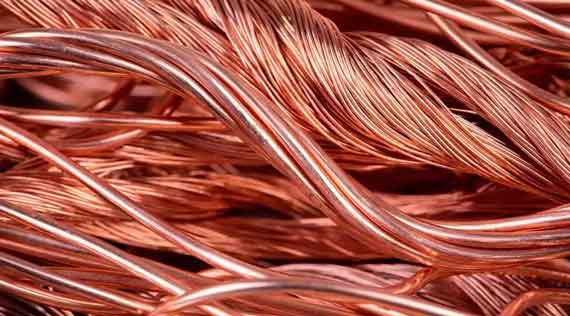
No. 1 Heavy Copper Scrap is a premium, high-copper-content recycling grade consisting of clean, unalloyed and uncoated copper solids and tubing. Common examples include clean copper pipe, bus bars, manufacturing clippings, punchings and qualifying electrical or industrial copper components.
Under ReMA/ISRI scrap specifications, this material is identified by the trade code Candy. Correct grading matters because attached brass fittings, solder, coatings, insulation and other contaminants can cause copper to be purchased under a different scrap category.
No. 1 Heavy Copper Scrap: Quick Facts
- Material family: Nonferrous metal scrap
- Primary metal: Unalloyed copper
- Trade grade: No. 1 Heavy Copper Solids and Tubing
- ReMA/ISRI code: Candy
- Common sources: Clean copper tubing, bus bars, punchings, clippings and selected industrial electrical components
- Key requirements: Clean, uncoated, unalloyed copper, free from unacceptable attachments and contamination
- Typical buyers: Scrap metal recyclers, nonferrous processors, copper remelters and secondary-metal consumers
What Is No. 1 Heavy Scrap Copper?
No. 1 Heavy Copper Scrap is a traded copper scrap grade made up of clean copper solids and tubing. It is commonly generated during manufacturing, electrical equipment replacement, plumbing work, construction, demolition and industrial maintenance.
Unlike insulated wire or mixed copper-bearing assemblies, qualifying No. 1 Heavy Copper consists of exposed copper material without unacceptable coatings, alloyed attachments or nonmetallic contamination.
The grade is commercially important because clean, well-sorted copper scrap provides a relatively consistent source of secondary copper feedstock.
No. 1 Heavy Copper Specifications: ReMA/ISRI Candy Grade
The Recycled Materials Association (ReMA) publishes recognized trade specifications for recycled commodities, including copper scrap. Its January 2026 ISRI Specifications identify No. 1 Heavy Copper Solids and Tubing under the trade code Candy.
In practical terms, Candy covers clean, unalloyed and uncoated copper solids and tubing, including qualifying copper clippings, punchings, bus bars and commutator segments.
Hydraulically compacted or briquetted material requires agreement between the buyer and seller under the applicable specification.
Typical Materials That May Qualify
- Clean, uncoated copper tubing and pipe
- Unalloyed copper bus bars without disqualifying attachments
- Clean manufacturing clippings and punchings
- Suitable copper commutator segments after removal of unacceptable associated materials
- Other clean copper solids meeting the buyer's written grade requirements
Materials That May Be Rejected or Downgraded
- Copper tubing with soldered or brazed joints
- Copper pipe with attached brass or other alloy fittings
- Painted, heavily oxidized or otherwise coated material when the coating violates buyer requirements
- Insulated copper wire or cable
- Copper mixed with steel, aluminum or other metals
- Excessively oily or contaminated copper
- Burnt wire or material with fire-related contamination
- Copper alloys such as brass and bronze
Specification note: ReMA trade descriptions are industry reference specifications. Final acceptance, preparation requirements, shipment dimensions and permitted exceptions depend on the applicable buyer-seller agreement.
How to Identify No. 1 Heavy Copper Scrap
Correct identification helps prevent valuable clean copper from being mixed with lower-grade material.
- Confirm the material is copper: Examine known product markings, manufacturing records or reliable material-test results where available.
- Check for coatings: Identify paint, plating, insulation and other finishes that may make the material ineligible for the clean grade.
- Inspect attachments: Look for solder, brass connectors, steel fasteners and non-copper fittings.
- Check condition: Separate excessively contaminated, burnt or otherwise questionable material.
- Identify the product form: Distinguish tubing, bus bars, solid copper offcuts and wire grades.
- Confirm the buyer's requirements: Ask the receiving processor whether the material qualifies as Candy or another copper grade.
Identification tip: Clean copper commonly has a reddish metallic appearance, but color alone cannot establish copper purity or grade. Surface oxidation, coatings and similar-looking copper alloys can complicate visual identification.
Common Sources of No. 1 Heavy Copper Scrap
No. 1 Heavy Copper can originate from industrial manufacturing scrap and selected end-of-life copper products.
- Plumbing contractors: Clean copper pipe offcuts and unused tubing
- Electrical contractors: Suitable copper bus bars and other clean electrical copper solids
- Manufacturers: Copper punchings, clippings and production offcuts
- Industrial maintenance: Clean copper components removed during equipment replacement
- Demolition and deconstruction: Segregated copper piping and other qualifying material
- Metal fabricators: Clean copper sheet and solid offcuts where accepted under the purchasing specification
Not all copper recovered from these activities automatically qualifies as No. 1 Heavy Copper. Soldered connections, attached fittings, mixed alloys and surface contamination must be evaluated before grading.
No. 1 Heavy Copper vs. Bare Bright vs. No. 2 Copper
These three commonly traded copper grades can have different acceptance requirements and purchase prices.
| Copper Grade | Typical Material | Key Distinction |
|---|---|---|
| No. 1 Heavy Copper (Candy) | Clean copper solids and tubing | Premium unalloyed, uncoated heavy copper grade |
| Bare Bright / No. 1 Copper Wire | Clean bare copper wire | Separate premium wire grade, not the same as heavy copper solids |
| No. 2 Copper (Cliff) | Miscellaneous unalloyed copper solids and tubing meeting No. 2 requirements | A different grade with lower specified copper content and defined contamination restrictions |
Important: No. 1 Heavy Copper is a premium grade, but it is not automatically the highest-paying copper scrap category. Bare Bright copper wire may command a higher buying price, depending on market conditions and the buyer's purchasing schedule.
What Lowers the Grade or Value of Heavy Copper Scrap?
Even when the underlying metal is copper, added materials or processing residues may affect its classification and purchase price.
Soldered and Brazed Connections
Copper tubing with soldered joints or brazing material may not qualify as clean No. 1 Heavy Copper. Such material is often evaluated under a different copper grade.
Brass and Other Alloy Fittings
Attached valves, couplings, threaded brass connectors and similar mixed-metal components introduce alloying elements that can affect downstream processing requirements.
Paint, Plating and Other Coatings
Coated or plated copper should not be assumed to qualify as Candy. Acceptance depends on the type and extent of the coating and the buyer's requirements.
Oil, Grease and Foreign Materials
Excessive lubricants, insulation, dirt, debris and other foreign materials can increase processing costs or result in rejection or downgrade.
Mixed Copper Grades
Combining No. 1 Heavy Copper with No. 2 Copper, insulated wire or brass can reduce the value of a shipment if the receiving buyer grades the entire lot as mixed material.
How to Sort and Prepare No. 1 Heavy Copper for Sale
Preparation should focus on accurate separation, avoiding contamination and meeting the buyer's purchasing specifications.
- Separate clean copper: Keep qualifying copper solids and tubing apart from lower-grade copper and mixed metals.
- Remove attachments where practical: Separate brass fittings, steel fasteners and other non-copper items if required by the buyer.
- Identify soldered or coated pieces: Keep questionable material separate for inspection.
- Keep material free of excessive debris: Avoid introducing oils, dirt, insulation or other contaminants.
- Prepare to buyer dimensions: Confirm permitted lengths, sizes and shipment configurations before cutting or compacting material.
- Weigh and label lots: Record material descriptions and shipment weights for commercial sales.
- Confirm the grade: Request a written quotation identifying the accepted copper category and any deductions.
Preparation warning: Never burn insulation or coatings off copper wire or assemblies. Burning can create hazardous emissions and contamination, and burnt material may fail clean copper grade requirements.
No. 1 Heavy Copper Scrap Prices
The price paid for No. 1 Heavy Copper depends on the grade's copper content, current market conditions, location, quantity, processing requirements and the buyer's purchasing terms.
Clean, correctly identified material may command a premium relative to lower-grade or contaminated copper. However, there is no single universal purchase price for every region or buyer.
What Determines the Buying Price?
- Copper market conditions: Refined copper prices and demand for secondary copper feedstock can influence scrap purchasing markets.
- Grade and quality: Material meeting No. 1 requirements may receive a different price from No. 2 or mixed copper.
- Contamination: Solder, coatings, alloyed attachments and foreign materials may create deductions or grade changes.
- Quantity: Larger consistent shipments may attract different commercial terms.
- Preparation: Buyer-ready material can reduce sorting or processing requirements.
- Geography: Transportation, regional buyer competition and local processing capacity affect net prices.
- Contract structure: Some industrial transactions are negotiated using market-linked formulas, quality adjustments and delivery terms.
Available Heavy Copper Scrap Price Records
Review RecyclingMonster's available scrap price records below. Confirm the material grade, reporting date, location, currency and unit before comparing prices or requesting a quotation.
The prices listed below are country averages paid by recycling centers in the United States
| Scrap Material | National Average | High Price | Low Price | Unit | Updated |
|---|---|---|---|---|---|
| Burnt Copper Scrap | $2.48 | 2.48 | 2.48 | USD/LB | 2025-02-20 |
| #2 Copper Bare Bright Scrap | $3.35 | 3.35 | 3.35 | USD/LB | 2025-01-21 |
| #2 Copper Tubing Scrap | $3.47 | 3.48 | 3.45 | USD/LB | 2023-05-22 |
| #2 Copper Scrap | $3.66 | 3.66 | 3.66 | USD/LB | 2018-04-20 |
| #3 Copper Scrap | $3.43 | 3.43 | 3.43 | USD/LB | 2018-03-07 |
For broader copper market comparisons, explore RecyclingMonster Scrap Metal Prices. General copper averages and other copper grades should not be interpreted as a current, grade-specific Candy purchase quotation.
Where Can You Sell No. 1 Heavy Copper Scrap?
No. 1 Heavy Copper is purchased by many nonferrous scrap metal recyclers and copper processors. However, not every recycling facility purchases every grade or quantity.
Before delivery, ask whether the buyer accepts No. 1 Heavy Copper under the Candy specification, what preparation is required and how the price will be determined.
No. 1 Heavy Copper Scrap: Grades, Prices & Recycling - Material Specifications, How to Sell & Current Price accepting recycling centers in the United States
- jacob dobrofsky & co. Inc.1145 Webster Ave
Bronx,New York - Donjon Recycling - Dover160 Richards Ave
Dover,New Jersey - Towne Technologies, Inc6-10 Bell Avenue
P.O. Box 460
Shrewsbury,New Jersey - Bergen Recycling18 Hill Place
Bergenfield,New Jersey - A & A Scrap Metals Inc18-50
43rd Street
Albany,New York
You can also browse recycling centers listing No. 1 Copper, No. 1 Copper Tubing Recycling Centers or the broader Copper Recycling Centers Directory.
Directory listings may use broader copper material categories. Confirm the exact accepted grade, collection arrangements and current purchasing terms directly with each recycler.
How Is No. 1 Heavy Copper Recycled?
Clean copper scrap can be used as secondary feedstock in copper manufacturing and refining operations. The actual processing route depends on the incoming scrap composition and the finished product requirements.
A typical commercial process may include:
- Inspection and grading: Material is classified by copper quality and contamination.
- Sorting and preparation: Mixed metals and unacceptable attachments are removed where necessary.
- Size reduction: Oversized material may be cut or otherwise prepared for processing.
- Melting or refining: Suitable copper scrap is used in appropriate melting, alloy production or refining operations.
- Quality control: Metal composition is checked against downstream product specifications.
- Production: Recovered copper is used in new copper or copper-alloy products, depending on the processing route.
Some properly prepared high-grade copper can be used in controlled direct-melting applications. Other shipments require additional sorting, cleaning or refining. Grade classification alone does not establish universal direct-melt suitability.
Selling Bulk No. 1 Heavy Copper: Industrial Requirements
Electrical contractors, manufacturers, fabricators, construction businesses, demolition companies and industrial maintenance operations may accumulate commercially significant volumes of heavy copper scrap.
Before negotiating a bulk sale, confirm:
- Whether the purchaser uses the ReMA Candy specification
- Permitted material forms and dimensions
- Coating, solder and contamination restrictions
- Required grade segregation
- Minimum shipment quantities
- Price basis, currency and weighing units
- Applicable quality deductions or rejection conditions
- Pickup, freight and delivery responsibilities
- Weighing, inspection and settlement procedures
- Payment terms and required commercial documentation
Industrial buyers may offer market-linked pricing or negotiated contracts for regular shipments. The appropriate arrangement depends on quantity, quality consistency, delivery location and buyer requirements.
Frequently Asked Questions About No. 1 Heavy Copper
What is the ReMA/ISRI code for No. 1 Heavy Copper?
The trade code is Candy, covering qualifying clean, unalloyed and uncoated copper solids and tubing.
Is No. 1 Heavy Copper the same as Bare Bright?
No. Candy refers to heavy copper solids and tubing, while Bare Bright is a separate premium copper wire grade.
Does copper pipe with solder qualify as No. 1 Heavy Copper?
Soldered joints can prevent tubing from qualifying for the clean Candy grade. The receiving buyer determines the appropriate grade under its purchasing specifications.
Why is No. 1 Heavy Copper valuable?
Its clean, high-copper-content composition makes it a desirable secondary raw material. Actual scrap prices depend on copper markets, material quality and buyer requirements.
How can businesses get better offers for bulk copper scrap?
Accurate grade segregation, consistent material quality, reliable weights and comparable quotations can help businesses evaluate purchasing offers and net returns.
Related Copper Scrap and Recycling Resources
Explore these RecyclingMonster resources to compare copper grades, find recyclers and research market prices.
Material information notice: Copper scrap classifications, pricing, preparation requirements and acceptance policies vary by buyer and location. ReMA/ISRI terminology is provided for educational identification. Final trade specifications and settlement terms are determined by agreement between buyer and seller.