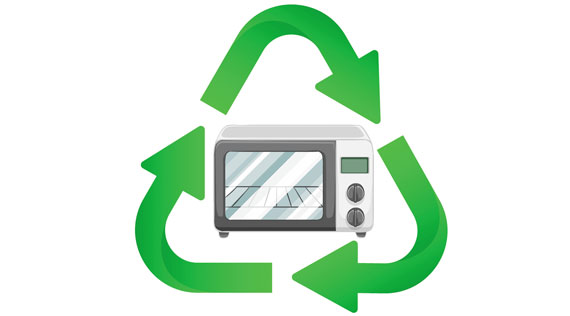
Electronics Recycling Centers in the United States

Granville Recycling Center
Yard Address:
1111 Goshen StOxford
North Carolina
United States
ZIP : 27565

Tri-State Scrap
Yard Address:
2209 N 7th StHarrisburg
Pennsylvania
United States
ZIP : 17110

AMG Resources Corp
Yard Address:
1655 North Arlington Heights RoadSuite 300E
Arlington Heights
Illinois
United States
ZIP : 60004

Earthworks Recycling,Inc
Yard Address:
1904 E BroadwaySpokane
Washington
United States
ZIP : 99202

Union County Recycling Center
Yard Address:
212 Airline RoadMorganfield
Kentucky
United States
ZIP : 42437

Tri-County Recycling
Yard Address:
398 Sam Ball WayHenderson
Kentucky
United States
ZIP : 42420
Hub City Iron and Metal
Yard Address:
320 71st St ESaskatoon
Saskatchewan
Canada
ZIP : S7P 0C3

Inland Steel Products - Regina

Southern Resources
Yard Address:
3826 Raleigh Street,Charlotte
North Carolina
United States
ZIP : 28206

Inland Steel Products

Bulldog Scrap Metal Recycling
Yard Address:
20010 Viking Way, STE BRedding
California
United States
ZIP : 96003

Midwest Industrial Metals
Yard Address:
615 Northwest AvenueNorthlake
Illinois
United States
ZIP : 60164
Supermetals Recycling & Equipment
Yard Address:
1 - 446 Birchmount RdToronto
Ontario
Canada
ZIP : M1K 1M6
SCS Metals & Electronics Recycling Inc
Yard Address:
190 Superior BlvdMississauga
Ontario
Canada
ZIP : L5T2L2

123 Precious Metal Refining, LLC
Yard Address:
609-A Piner RoadWilmington
North Carolina
United States
ZIP : 28409

Simba Recycling

Auto Recyclers LLC

Conservit,Inc
Yard Address:
18656 Leslie DrHagerstown
Maryland
United States
ZIP : 21740
PC Recycle LLC

M&C Scrap Metals
Yard Address:
44 Synan RdFalmouth
Virginia
United States
ZIP : 22406
Frequently Asked Questions on Electronics Recycling
E-waste generation is rising much faster than the amount being recycled. According to a UN report, only 22.3% of the e-waste produced in 2022 was officially gathered and recycled in an environmentally responsible manner. According to the most recent data available, Estonia, Norway, and Iceland boast the highest rates of electronic waste recycling, measured by the percentage of waste each country generates.
In 2020, researchers reported that nearly a million tonnes of e-waste were generated in Canada, with less than 20 percent of it being collected and recycled.
E-recycling or electronic recycling, is the process of collecting, sorting, and refurbishing old electronic devices and their components. The main goals of e-recycling are
- Environmental protection
- Resource conservation
- Energy savings
The process may include shredding, and melting to extract valuable metals, plastics, and other materials for reuse in new products.
Computer waste or electronic waste (e-waste), specifically refers to discarded computer parts. Examples of computer waste are - desktop computers, keyboards, laptops, mice, printers, monitors, scanners, and other computer-related devices. Like other electronic devices, computers contain various hazardous materials, including heavy metals and toxic chemicals, which can leach into the environment if not disposed of properly.
E-waste or electronic waste refers to electronic products that are not working or no longer of use. Computers, televisions, VCRs, stereos, copiers, and fax machines are everyday electronic products. Electronic waste can include many items, including old computers, smartphones, tablets, TVs, refrigerators, and other household appliances. Proper management and recycling of e-waste are crucial for both environmental and human health
How to Recycle Electronics Waste
Christmas Tree Recycling - Responsible Ways
Proper preparation and using a reliable Christmas tree recycling directory ensures responsible disposal and maximizes the benefits.
Stop Throwing Away LED Light Bulbs -- Do This Instead
Stop throwing away LED light bulbs and dispose of them responsibly. Proper disposal ensures environmental safety and sustainability.
Recycling and Disposal of Light Bulbs – More to Know
Proper disposal of all types of light bulbs, protects the environment and recovers valuable materials.