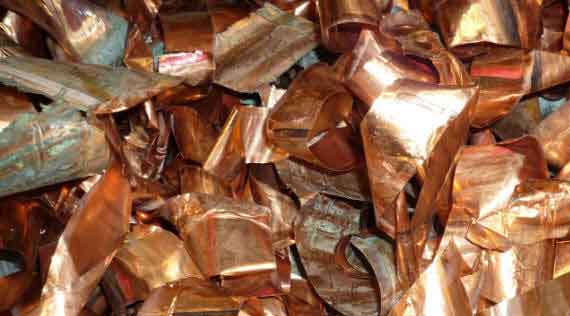
Light Scrap Copper is an unalloyed copper scrap grade commonly recovered from roofing sheets, gutters, downspouts, flashing, boilers and other copper products. Known in the recycling industry by the ReMA/ISRI code word Dream, this grade has a nominal copper content of 92% and a minimum copper content of 88%.
Light Copper is an important source of recyclable copper from building renovations, roofing replacements, demolition and sheet-metal manufacturing. Although it often includes thin or weathered copper, thickness and appearance alone do not determine the grade. Copper content, coatings, solder and other contamination all affect whether a load meets the specification and what a scrap buyer will pay.
Light Copper Scrap: Quick Facts
- Material: Miscellaneous unalloyed copper scrap
- Official ReMA/ISRI code: Dream
- Nominal copper content: 92%
- Minimum copper content: 88%
- Specification testing basis: Electrolytic assay
- Common materials: Copper sheet, gutters, downspouts, kettles and boilers
- Other potential sources: Roofing, flashing and architectural copper
- Important exclusions: Brass, bronze, radiators, copper-clad material, burnt wire and excessive contamination
- Related grades: #1 Copper, #2 Copper, Copper Sheet and Lead Coated Light Copper
- Pricing factors: Copper content, cleanliness, coatings, market conditions and location
- Potential buyers: Nonferrous scrap yards and copper processors
What Is Light Scrap Copper?
Light Scrap Copper is a commercial grade for miscellaneous, unalloyed copper materials that meet the ReMA Dream specification.
It commonly includes copper products manufactured from sheet or relatively thin material, particularly those recovered from buildings, architectural applications and older equipment.
Typical examples include:
- Copper roofing sheet
- Copper gutters
- Copper downspouts
- Copper flashing
- Suitable sheet-metal offcuts
- Copper kettles
- Copper boilers
- Other similar unalloyed copper scrap
These items must still meet the required copper-content and contamination limits.
Important: Not every thin, painted or oxidized piece of copper qualifies as Light Copper. The actual metal composition and material condition determine the accepted grade.
ReMA Dream: Official Light Copper Scrap Specification
The Recycled Materials Association (ReMA) maintains the ISRI Specifications used to describe commercially traded recycled materials.
The official code word for Light Copper is Dream.
Required Copper Content
Under the Dream specification:
- Nominal copper content is 92%.
- Minimum copper content is 88%.
- Copper content is determined by electrolytic assay.
- The material must consist of miscellaneous unalloyed copper scrap.
The percentages describe the standardized commodity, not the exact composition of every individual copper item.
Commercial loads must meet the applicable specification and the terms agreed upon by the buyer and seller.
What Does Electrolytic Assay Mean?
Electrolytic assay is the analytical basis identified in the specification for determining copper content.
It should not be interpreted as a requirement that every retail scrap-yard transaction undergo laboratory testing.
Scrap yards may classify routine material through inspection and source identification. More detailed analysis may be appropriate when the metal content of a commercial shipment is uncertain or disputed.
What Materials Are Excluded From ReMA Dream?
The Dream specification identifies several excluded materials and types of contamination.
Qualifying Light Copper should be free of:
- Burnt hair wire
- Copper-clad materials
- Plating racks
- Grindings
- Copper wire recovered through burning
- Copper wire containing insulation
- Radiators
- Fire extinguishers
- Refrigerator units
- Electrotype shells
- Screening
- Excessively leaded copper
- Excessively tinned copper
- Excessively soldered copper
- Brass and bronze
- Excessive oil
- Excessive iron
- Excessive nonmetallic material
Material should also be reasonably free of ash.
Grading note: ReMA Dream does not provide a universal percentage allowance for every individual contaminant listed above. Buyers and sellers should agree on the accepted material condition.
Is Light Copper the Same as Sheet Copper?
Not exactly. Sheet copper is one of the common products included in the Dream specification, but Light Copper is a broader scrap grade.
Suitable gutters, downspouts, kettles, boilers and other unalloyed copper items may also qualify.
Some recyclers maintain a separate purchasing category for clean Copper Sheet Scrap, particularly when the material is uniform and free of significant attachments.
RecyclingMonster tracks Copper Sheet Scrap Prices separately from Light Copper Scrap Prices.
These categories should not automatically be combined, because individual scrap buyers may use different preparation and grading requirements.
Is Roofing Copper Considered Light Copper?
Old copper roofing is a common source of Light Copper Scrap.
Architectural copper is used in roofing panels, flashing, valleys, gutters and rainwater systems. When removed during renovation or demolition, it can enter the copper recycling stream.
However, roofing material may carry contamination from its original installation.
Potential attachments include:
- Tar and asphalt
- Roofing sealants
- Paint and protective coatings
- Soldered seams
- Lead-containing coatings
- Steel nails and fasteners
- Brackets and supports
- Plastic, wood or other building debris
The receiving recycler evaluates the condition of the material before assigning a grade.
Clean roofing copper may qualify as Dream or another accepted copper category. Heavily contaminated roofing may require additional preparation or a lower commercial grade.
Are Copper Gutters and Downspouts Valuable Scrap?
Copper gutters and downspouts are recyclable because they contain recoverable copper metal.
They are among the products specifically identified in the ReMA Dream specification.
However, gutters and downspouts may have soldered joints, steel hangers, leaf guards or other attached materials.
Keeping these foreign components out of the copper load can improve grading where the buyer requires cleaner material.
For roofing contractors, separating copper gutters from aluminum gutters, steel flashing and mixed demolition debris at the worksite makes later grading easier.
Light Copper vs. #2 Copper Scrap
Light Copper and #2 Copper are separate standardized copper grades.
ReMA's Cliff specification for No. 2 Copper Solids and Tubing requires a nominal copper content of 96% and a minimum of 94%.
By comparison, Dream has a nominal copper content of 92% and a minimum of 88%.
The difference is not simply copper thickness or surface color. Both copper content and accepted contamination matter.
See the #2 Copper Scrap Material Guide and compare #2 Copper Scrap Prices.
Light Copper vs. #1 Copper Scrap
#1 Copper is a higher-grade stream of clean, unalloyed copper that meets the applicable purchasing specification.
ReMA's Candy specification covers qualifying No. 1 Heavy Copper Solids and Tubing.
Light Copper differs because the Dream specification has a lower minimum copper-content requirement and covers materials commonly encountered in roofing and sheet-metal recovery.
Clean copper that qualifies for a higher buying grade should generally be kept separate from lower-grade material.
Mixing premium copper with more heavily contaminated material may cause the combined load to be downgraded.
For pricing comparisons, visit #1 Copper Scrap Prices.
Does Oxidized or Green Copper Qualify as Light Copper?
Oxidation is common on copper exposed to outdoor conditions.
Fresh copper has a reddish metallic appearance. Over time, the surface may turn darker brown or develop a green patina.
Surface appearance alone does not establish the scrap grade.
For example, an older copper gutter with natural weathering may still contain predominantly recoverable copper.
However, heavily contaminated or coated material can have a different accepted grade from otherwise similar copper with only surface oxidation.
Practical guidance: Do not assume green copper is worthless, and do not assume that every green or oxidized copper item automatically qualifies as Dream. Evaluate the metal and its attachments.
Can Painted or Coated Copper Be Sold as Light Copper?
Paint and other coatings add non-copper material to the load.
Lightly coated sheet copper may be evaluated differently from heavily painted or contaminated material, depending on the buyer's requirements.
The Dream specification requires the load to meet its copper-content and contamination conditions.
Thick coatings, tar, adhesives and foreign attachments can reduce the recoverable metal percentage or require additional processing.
For commercial quantities, ask the scrap buyer whether coated material is accepted as Light Copper or under another grade.
What About Lead-Coated Copper Roofing?
Lead-coated copper is a distinct material condition that may require separate grading and handling.
The ReMA Dream specification excludes excessively leaded scrap.
RecyclingMonster maintains a dedicated Lead Coated Light Copper Scrap Prices category.
Known or suspected lead-coated material should be segregated where appropriate.
Safety note: Do not grind, torch-cut or burn suspected lead coatings to make copper look cleaner. Lead-containing dust and fumes can present health hazards. Arrange qualified assessment and appropriate handling.
Can Soldered Copper Be Sold as Light Copper?
The amount and type of solder can affect the accepted grade.
Older copper roofing and gutters may have soldered seams, joints and repairs.
ReMA Dream excludes excessively soldered copper. The specification does not establish a universal percentage for every soldered joint.
Where practical and appropriate, a processor may separate heavily soldered sections from cleaner copper material.
However, the value of extra preparation depends on recovered weight, buyer quotations, labor and safe handling requirements.
Can Copper Radiators Be Included in Light Copper?
No. Radiators are specifically excluded from the standard ReMA Dream specification.
Copper/brass radiators and copper/aluminum heat exchangers combine different metals and construction types and generally have their own purchasing grades.
Keep radiator scrap separate from roofing copper, sheet copper, gutters and other qualifying Light Copper material.
For related heat-exchanger materials, see Copper/Aluminum Radiator Scrap.
Can Copper-Clad Material Be Included?
No. Copper-clad material is expressly excluded from ReMA Dream.
Copper-clad products contain copper bonded to or covering another base material.
They must not automatically be valued as solid, unalloyed copper because their recoverable copper content and processing requirements can differ substantially.
Confirm the core material before selling a questionable copper-colored item as Light Copper.
Why Is Burnt Copper Wire Excluded?
ReMA Dream specifically excludes copper wire recovered through burning and burnt hair wire.
Burning insulated wire can produce hazardous emissions and leave oxidized or contaminated metal.
Insulated wire should be directed to suitable mechanical wire-recovery processes rather than burned for copper recovery.
Keep burnt wire and insulated copper cable out of Dream Light Copper shipments.
How to Identify Light Copper Scrap
Light Copper is often recognizable by its form and original use, but final grading depends on actual composition.
Useful identification clues include:
- Sheet or formed copper construction
- Reddish-brown copper visible beneath surface weathering
- Possible natural brown or green oxidation
- Gutters, roofing, flashing or other architectural-copper forms
- Little or no magnetic response from the copper itself
- Known source as unalloyed copper sheet or a similar product
Practical Identification Steps
- Identify the source: Determine whether the material came from roofing, gutters, fabrication or another copper product.
- Check for other metals: Keep brass, bronze, aluminum and copper-clad materials separate.
- Use a magnet: Locate ordinary steel nails, screws and brackets.
- Inspect coatings: Look for paint, solder, tar, sealant or possible lead coatings.
- Check nonmetallic attachments: Separate excessive plastic, insulation, wood and building debris.
- Confirm the specification: Ask whether the buyer accepts the material as Dream Light Copper.
- Verify uncertain material: Use appropriate professional assessment when composition or contamination is unclear.
Identification note: Magnetic testing can help locate iron and steel but cannot establish copper purity. Material appearance alone is not a substitute for proper grading.
Common Sources of Light Copper Scrap
Light Copper is generated through building renovation, demolition, copper fabrication and the replacement of older equipment.
- Roofing contractors: Old copper roofing, flashing and roof drainage components
- Demolition companies: Copper sheet and architectural components recovered from buildings
- Gutter installers: Replaced copper gutters and downspouts
- Sheet-metal fabricators: Copper sheet offcuts and formed components
- Architectural-metal contractors: Decorative copper and building-envelope materials
- Equipment dismantlers: Suitable copper boilers, kettles and other unalloyed material
- Scrap-metal processors: Sorted copper recovered from mixed demolition or manufacturing scrap
Material generated from one known source can be easier to classify than a mixed load containing several different copper products.
Light Copper Scrap Prices
Light Copper Scrap prices depend on market conditions, copper content, cleanliness, coatings, quantity, location and buyer requirements.
Because Dream is a separate commodity grade, its price should not automatically be replaced with the current #1 Copper, #2 Copper or general Copper Sheet buying rate.
What Affects Light Copper Buying Prices?
- Copper content: Actual recoverable copper within the shipment
- Grade: Compliance with the Dream specification
- Source: Roofing, sheet copper, gutters or other products
- Coatings: Paint, tar, sealants and possible lead
- Solder: Soldered seams and joints
- Iron contamination: Steel fasteners and attachments
- Nonmetallic material: Plastic, wood and other foreign debris
- Quantity: Shipment size and consistency
- Preparation: Loose sheet, cut material or buyer-approved briquettes
- Location: Freight, processor access and local competition
- Commercial terms: Inspection, deductions and payment arrangements
Available Light Copper Scrap Prices
Review RecyclingMonster's published Light Copper price records below.
Always check the exact grade, reporting date, location, currency and price unit before comparing quotations.
The prices listed below are country averages paid by recycling centers in the United States
| Scrap Material | National Average | High Price | Low Price | Unit | Updated |
|---|---|---|---|---|---|
| Copper Sheet Scrap (Light) | $2.27 | 2.27 | 2.27 | USD/LB | 2025-07-31 |
| Lead Coated Light Copper Scrap | $2.69 | 2.71 | 2.68 | USD/LB | 2025-01-22 |
| Light Copper Scrap | $3.07 | 3.07 | 3.07 | USD/LB | 2019-07-15 |
| Xmas Lights Scrap | $0.23 | 0.23 | 0.23 | USD/LB | 2018-07-03 |
| Copper Sheet Scrap | $3.17 | 3.17 | 3.17 | USD/LB | 2018-04-20 |
For material-specific observations, visit Light Copper Scrap Prices.
Related but separately graded price categories include Copper Sheet Scrap, Lead Coated Light Copper, #2 Copper and #1 Copper.
Historical yard observations are not guaranteed current buying offers.
How to Improve Light Copper Scrap Value
The most useful preparation is usually careful sorting rather than aggressive cleaning.
- Separate higher grades: Keep qualifying clean #1 and #2 Copper out of Light Copper loads.
- Keep alloys separate: Do not mix brass, bronze or copper-clad material with Dream copper.
- Identify lead-coated material: Segregate known or suspected lead-coated copper for appropriate handling and grading.
- Remove large steel attachments: Separate nails, brackets and other iron contamination when safe and practical.
- Control roofing contamination: Keep excessive tar, sealant, wood, plastic and demolition debris out of the copper load.
- Separate radiators: Place copper/brass and copper/aluminum radiator material in their own categories.
- Exclude burnt wire: Do not combine burnt or insulated copper wire with Light Copper.
- Consider solder: Keep heavily soldered pieces separate where the buyer requires it.
- Confirm preparation economics: Compare potential price improvements against additional labor and recovered weight.
- Document commercial loads: Record material source, grade, weight and contamination condition.
Practical recommendation: Sorting copper at the point of removal or production is generally easier than separating materials after roofing, architectural and demolition scrap have been mixed together.
Can Light Copper Be Hydraulically Briquetted?
Yes, but ReMA Dream makes hydraulically briquetted copper subject to agreement between the buyer and seller.
Briquetting can reduce storage volume and improve handling of suitable loose material.
However, compacting does not remove coatings, change alloy composition or guarantee that the material meets a different grade.
For commercial quantities, obtain buyer approval before briquetting or compacting Light Copper.
Safe Handling of Roofing and Architectural Copper
Copper roofing and sheet-metal scrap may have sharp edges and can be contaminated with materials from the original building.
Work involving roof removal, demolition or cutting should be performed using appropriate procedures and equipment.
Potential concerns include:
- Falls and unsafe roof access
- Sharp sheet-metal edges
- Heavy or unstable material bundles
- Lead-containing coatings or solder
- Dust from old construction materials
- Hazards from mechanical cutting equipment
- Unsafe burning or heating of coated metal
Do not burn painted, lead-coated or contaminated copper to improve its appearance or scrap grade.
When lead coatings or other hazardous building materials are suspected, obtain appropriate assessment before disturbing or processing the material.
How Is Light Copper Recycled?
Qualifying Light Copper can be recovered through the secondary copper industry and processed into suitable copper feedstock.
A professional recycling operation may involve:
- Receiving and inspection: Material is weighed and evaluated against the purchasing specification.
- Grade verification: Copper content, alloy identity and visible contamination are assessed.
- Sorting: Brass, bronze, lead-coated material and other incompatible grades are separated.
- Preparation: Suitable materials are cut, sized or otherwise prepared for downstream handling.
- Contaminant management: Foreign attachments and other materials are addressed through appropriate processing.
- Metallurgical recovery: Accepted copper enters suitable secondary melting or refining operations.
- Quality control: Recovered material is evaluated for its intended chemical composition and use.
- Manufacturing: Secondary copper provides raw material for appropriate new copper products.
Not every scrap yard performs all stages on-site. Some businesses collect and sort material before supplying larger copper processors or refiners.
Where Can You Sell Light Copper Scrap?
Light Copper may be purchased by nonferrous scrap yards, copper processors and recycling companies handling architectural or demolition scrap.
Not every facility uses the same commercial grading terminology. Some may describe suitable material as Light Copper, Roofing Copper, Copper Sheet or another buyer-specific grade.
Light Copper Scrap: Grades, Prices & Recycling - Material Specifications, How to Sell & Current Price accepting recycling centers in the United States
- Prince Metal37-90 Railroad Ave
Long Island City,New York - AMG Resources Corp455 Pennsylvania Avenue Suite 280
Fort Washington,Pennsylvania - AMG Resources Corp3601 West Hundreds Road Suite 7
Chester,Virginia - AMG Resources Corp586 Ribble Dr. SE
Leland,North Carolina - AMG Resources Corp1 Richmond St Apt 2053
New Brunswick,New Jersey
RecyclingMonster maintains a Light Copper Recycling Centers Directory for facilities listing this material among accepted grades.
Additional buyers can be researched through Metal Recycling Centers and Recycle an Item.
Buyer verification: Directory inclusion does not guarantee current acceptance, pickup availability or a particular scrap price. Confirm the material specification and buying terms before delivery.
Bulk Light Copper Scrap: Commercial Requirements
Roofing companies, demolition contractors, architectural-metal firms and sheet-metal fabricators may generate regular or substantial quantities of Light Copper.
For commercial loads, confirm the following with prospective buyers:
- Acceptance under ReMA Dream
- Minimum copper content
- Allowed sheet, gutter and roofing material
- Requirements for lead-coated copper
- Tar, paint and other coating restrictions
- Solder contamination requirements
- Steel and iron attachment limits
- Brass, bronze and other alloy exclusions
- Loose or hydraulically compacted material acceptance
- Size and preparation requirements
- Minimum shipment weight
- Containers, pallets or roll-off availability
- Pickup schedules and loading responsibilities
- Delivered versus collected pricing
- Weighing, sampling and grading procedures
- Rejection or downgrade conditions
- Freight, processing and other deductions
- Payment and settlement terms
Separating roofing copper, clean copper sheet, lead-coated material and higher-grade copper at the point of generation helps buyers evaluate each stream independently.
Frequently Asked Questions About Light Copper Scrap
What is ReMA Dream Light Copper?
Dream is the ReMA/ISRI specification for miscellaneous unalloyed Light Copper, with nominal 92% copper content and a minimum of 88% determined by electrolytic assay.
Is roofing copper considered Light Copper?
It can be. Copper roofing, flashing, gutters and downspouts may qualify when they meet the copper-content and contamination requirements.
What is the difference between #2 Copper and Light Copper?
ReMA Cliff requires at least 94% copper, while Dream requires at least 88%. Each has its own material and contamination requirements.
Can lead-coated copper be sold as ordinary Light Copper?
Not automatically. Dream excludes excessively leaded material, and lead-coated copper may have separate grading and handling requirements.
Where can I sell Light Copper Scrap?
Many nonferrous scrap yards and copper processors purchase qualifying material. Confirm the Dream grade, contamination limits, price and current acceptance before delivery.
Explore More Copper Scrap and Recycling Resources
Compare copper grades, check reported scrap prices and find potential recycling buyers through RecyclingMonster.
- Light Copper Scrap Prices
- Copper Sheet Scrap Prices
- Lead Coated Light Copper Scrap Prices
- #2 Copper Scrap Material Guide
- #2 Copper Scrap Prices
- #1 Copper Scrap Prices
- Copper Scrap Prices
- Copper/Aluminum Radiator Scrap Guide
- Scrap Metal Price Database
- Light Copper Recycling Centers
- Metal Recycling Centers and Scrap Yards
- Find a Recycler by Material
- Copper Recycling Industry News
- Scrap Materials and Specifications Library
- Recycling Industry News and Articles
- RecyclingMonster Homepage
Material information and safety notice: Light Copper grading, copper content, buyer acceptance and prices vary by composition, contamination, preparation, location and reporting date. ReMA Dream is a standardized commodity specification, but final commercial terms depend on the buyer-seller agreement. Roofing and demolition material may contain hazardous coatings or attachments requiring appropriate assessment and handling.