Electronics Recycling Centers in the United States

JaSar Recycling
Recycling Associates, Inc

Valu Shred

Kentucky eScrap
Yard Address:
6001 Dry Fork RoadCleves
Ohio
United States
ZIP : 45002

Ecyclers USA

CompuPoint USA LLC
Yard Address:
6428 Warren Dr NWNorcross
Georgia
United States
ZIP : 30093

Bluegrass E-Cycle
Yard Address:
7645 National Turnpike Suite 160Louisville
Kentucky
United States
ZIP : 40214

American e-cycling
Yard Address:
21854 76th Ave SouthKent
Washington
United States
ZIP : 98032

E-Recyle USA
Yard Address:
4545 Granite DrTucker
Georgia
United States
ZIP : 30084

Brock Auto Parts
Yard Address:
1907 Kienlen AvenueSt. Louis
Missouri
United States
ZIP : 63133

CR&R Incorporated
Yard Address:
9828 Buckwheat Road PO Box 290309Phelan
California
United States
ZIP : 92371

SSI

CR&R Incorporated - Perris
Yard Address:
1706 Goetz RoadPerris
California
United States
ZIP : 92570

CR&R Incorporated - El Centro
Yard Address:
599 East Main StreetEl Centro
California
United States
ZIP : 92243

The Big Green Box

Computer Recycling Center, LLC
Yard Address:
528 N Prince LnSpringfield
Missouri
United States
ZIP : 65802

Office Recycling Solutions
Yard Address:
776 Main StreetEast Greenwich
Rhode Island
United States
ZIP : 02818

Ewaste Recycling Solutions

Atlanta Recycling Solutions
Yard Address:
1355 Union Hill Industrial CourtAlpharetta
Georgia
United States
ZIP : 30004
Carlisle Junk Hauling
Yard Address:
950 Walnut Bottom Road Suite 15-134Carlisle
Pennsylvania
United States
ZIP : 17015
Frequently Asked Questions on Electronics Recycling
E-waste generation is rising much faster than the amount being recycled. According to a UN report, only 22.3% of the e-waste produced in 2022 was officially gathered and recycled in an environmentally responsible manner. According to the most recent data available, Estonia, Norway, and Iceland boast the highest rates of electronic waste recycling, measured by the percentage of waste each country generates.
In 2020, researchers reported that nearly a million tonnes of e-waste were generated in Canada, with less than 20 percent of it being collected and recycled.
E-recycling or electronic recycling, is the process of collecting, sorting, and refurbishing old electronic devices and their components. The main goals of e-recycling are
- Environmental protection
- Resource conservation
- Energy savings
The process may include shredding, and melting to extract valuable metals, plastics, and other materials for reuse in new products.
Computer waste or electronic waste (e-waste), specifically refers to discarded computer parts. Examples of computer waste are - desktop computers, keyboards, laptops, mice, printers, monitors, scanners, and other computer-related devices. Like other electronic devices, computers contain various hazardous materials, including heavy metals and toxic chemicals, which can leach into the environment if not disposed of properly.
E-waste or electronic waste refers to electronic products that are not working or no longer of use. Computers, televisions, VCRs, stereos, copiers, and fax machines are everyday electronic products. Electronic waste can include many items, including old computers, smartphones, tablets, TVs, refrigerators, and other household appliances. Proper management and recycling of e-waste are crucial for both environmental and human health
How to Recycle Electronics Waste
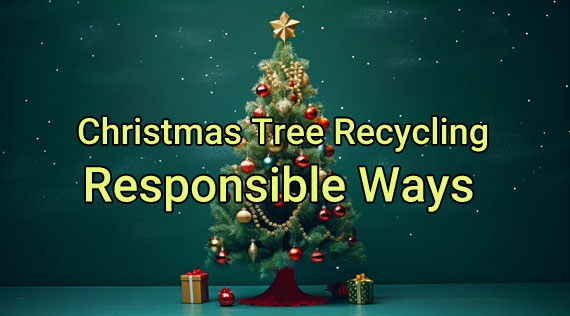
Christmas Tree Recycling - Responsible Ways
Proper preparation and using a reliable Christmas tree recycling directory ensures responsible disposal and maximizes the benefits.
Stop Throwing Away LED Light Bulbs -- Do This Instead
Stop throwing away LED light bulbs and dispose of them responsibly. Proper disposal ensures environmental safety and sustainability.
Recycling and Disposal of Light Bulbs – More to Know
Proper disposal of all types of light bulbs, protects the environment and recovers valuable materials.