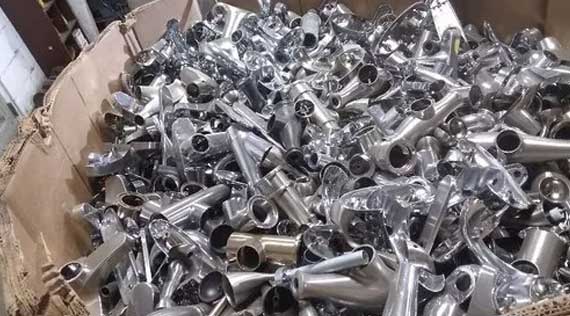
New Zinc Die Cast Scrap consists of clean, new or unused zinc-base die castings generated before the material has entered normal service.
This scrap is commonly produced by zinc die-casting plants, manufacturers and component suppliers through rejected castings, production overruns, setup pieces and other unused manufacturing scrap.
What Is New Zinc Die Cast Scrap?
Under current ReMA specifications, Scabs / New Zinc Die Cast Scrap consists of new or unused, clean zinc-base die castings.
To meet the standard grade, the castings must be:
- New or unused
- Clean
- Zinc-base die castings
- Unplated
- Unpainted
- Free from corrosion
The receiving buyer may apply additional commercial preparation or contamination requirements, so large generators should confirm specifications before shipment.
What Is Zinc Die Casting?
Zinc die casting is a manufacturing process in which molten zinc alloy is injected under pressure into a metal die to produce accurately shaped components.
Zinc alloys are well suited to die casting because they can fill complex molds, reproduce fine details and produce components with close dimensional tolerances and good surface finishes.
Die-cast components can often be manufactured close to their final shape, reducing the need for extensive secondary machining.
What Alloys Are Used in Zinc Die Casting?
Zinc die casting uses several alloy families rather than one single zinc composition.
Common alloy groups include:
- ZAMAK 3: The most widely used zinc die-casting alloy in North America and a general-purpose grade with a strong balance of castability, dimensional stability and mechanical properties.
- ZAMAK 5: Similar to ZAMAK 3 but with additional copper for somewhat greater strength and hardness.
- ZAMAK 2: A higher-copper zinc alloy offering greater strength and hardness than conventional ZAMAK grades.
- ZAMAK 7: A high-purity modification designed for improved fluidity, ductility and surface finish.
- ZA Alloys: Zinc-aluminum alloys such as ZA-8, ZA-12 and ZA-27 containing more aluminum than conventional ZAMAK alloys.
Because these alloys contain different amounts of aluminum, copper and magnesium, industrial processors may need to keep known alloy streams separated when chemistry matters.
New Zinc Die Cast vs. Old Zinc Die Cast Scrap
New Zinc Die Cast Scrap consists of unused, clean castings that have not entered service and must be unplated, unpainted and free from corrosion.
Old Zinc Die Cast Scrap consists of used or obsolete zinc-base die castings and may contain iron or other foreign attachments within the applicable specification.
Old material can therefore require more sorting and preparation than clean manufacturing scrap.
The two grades should be kept separate when the buyer prices them differently.
New Zinc Die Cast vs. New Plated Zinc Die Cast
ReMA treats plated new zinc die cast as a separate specification.
Scabs / New Zinc Die Cast Scrap must be unplated.
Scope / New Plated Zinc Die Cast Scrap consists of new or unused, clean plated zinc-base die castings that are free from corrosion.
A chrome-, nickel- or otherwise plated new casting should therefore not automatically be mixed into an unplated Scabs load.
How Can You Identify Zinc Die Cast?
Zinc die-cast components are generally dense for their size and can be produced with smooth surfaces, fine detail and complex shapes.
Common identifying characteristics can include:
- Dense, relatively heavy feel compared with many aluminum castings
- Smooth die-cast surfaces
- Thin walls or detailed molded shapes
- Little or no magnetic response from the zinc alloy itself
- Use in precision hardware, housings and mechanical components
Appearance alone cannot confirm exact alloy chemistry. Industrial processors may use source documentation, alloy records or analytical equipment when precise separation is required.
Is Zinc Die Cast Magnetic?
Zinc die-casting alloys themselves are generally non-magnetic.
A strong magnetic response may indicate steel screws, inserts, shafts or other ferrous attachments.
For the clean New Zinc Die Cast grade, unwanted attachments should be removed if they prevent the material from meeting the receiving buyer's specification.
Common Uses of Zinc Die Castings
Zinc die castings are used in automotive, electrical, industrial and consumer applications where dimensional accuracy, strength and complex shapes are useful.
Applications can include:
- Automotive hardware and mechanical components
- Door handles and lock components
- Electrical housings and connectors
- Electronic enclosures
- Gears and mechanical parts
- Decorative hardware
- Appliance components
- Industrial housings
- Precision fittings
Where Does New Zinc Die Cast Scrap Come From?
Because the ReMA grade is limited to new or unused castings, the strongest sources are manufacturing operations rather than end-of-life demolition material.
Common generators include:
- Zinc die-casting plants
- Automotive component manufacturers
- Hardware manufacturers
- Electrical-component producers
- Appliance manufacturers
- Quality-control rejects
- Production overruns
- Unused or defective cast components
What Can Downgrade New Zinc Die Cast Scrap?
Material may fail to meet the standard Scabs grade when it contains:
- Paint
- Plating
- Corrosion
- Steel or iron attachments
- Rubber or plastic components
- Oil, grease or dirt
- Old or used castings mixed into the load
- Other metals or unrelated scrap
Plated new material should be separated into the appropriate plated zinc die-cast category rather than mixed into clean unplated material.
New Zinc Die Cast vs. Pure Zinc Scrap
Zinc die-casting alloys are not the same as pure zinc sheet, clippings or other unalloyed zinc scrap.
Most die-casting alloys intentionally contain aluminum and may also contain copper and magnesium to achieve specific casting and mechanical properties.
ReMA maintains separate specifications for new zinc clippings, old scrap zinc and various die-cast zinc grades, so sellers should not combine these categories simply because zinc is the primary metal.
Can Zinc Die Cast Scrap Be Recycled?
Yes. Zinc die-casting scrap can be remelted and returned to zinc-alloy production when it is properly sorted and processed.
Clean manufacturing scrap is especially useful because its source and alloy composition may be easier to control than mixed end-of-life material.
Keeping production scrap segregated by known alloy where practical can help recyclers and secondary alloy producers maintain more predictable chemistry.
What Affects New Zinc Die Cast Scrap Prices?
New Zinc Die Cast Scrap prices depend on zinc-market conditions, alloy composition, cleanliness, quantity, location, preparation and buyer requirements.
Clean, unpainted and unplated production scrap may be valued differently from old, plated or contaminated zinc die cast.
For market information, view RecyclingMonster's Zinc Die Cast Scrap Prices and broader Zinc Scrap Prices.
Always check the material description and last-updated date before comparing quotes, particularly because individual Zinc Die Cast price observations may not be updated as frequently as the broader Zinc Scrap database.
Is New Zinc Die Cast Always Worth More Than Old Zinc Die Cast?
Clean new material can be easier to process because it is unused and free from plating, paint and corrosion under the standard specification.
However, there is no permanent rule that it will always receive a specific premium over old zinc die cast.
Actual buying prices depend on zinc markets, alloy chemistry, contamination, buyer demand and local processing economics.
How to Maximize New Zinc Die Cast Scrap Value
- Keep new production scrap separate from old zinc die cast.
- Separate plated castings from unplated material.
- Keep painted or corroded pieces out of a clean Scabs load.
- Remove significant steel, rubber, plastic and other foreign attachments.
- Keep known alloy streams separate when requested by the buyer.
- Preserve production and alloy records for industrial quantities where available.
- Keep material dry and reasonably free of oil and dirt.
- Confirm the buyer's specification before preparing a large shipment.
Where Can You Sell New Zinc Die Cast Scrap?
New Zinc Die Cast Scrap is purchased by nonferrous scrap processors, zinc recyclers and metal recycling centers that handle zinc-base alloys.
RecyclingMonster maintains a dedicated Die Cast/Zinc Recycling Centers directory for facilities that specifically identify zinc die-cast material among the grades they accept.
You can also use RecyclingMonster's Metal Recycling Center Directory or Recycle an Item search to find additional buyers.
Have Large Quantities of New Zinc Die Cast Scrap?
Die casters and manufacturers may generate substantial quantities of new zinc scrap through rejects, overruns and production changes.
For bulk loads, ask prospective buyers about:
- Alloy segregation requirements
- Plated versus unplated material
- Contamination limits
- Gaylord or container service
- Pickup arrangements
- Minimum quantities
- Delivered-versus-pickup pricing
Segregating clean new zinc die cast at the point of generation can reduce downstream sorting and help preserve a higher-quality recycling stream.