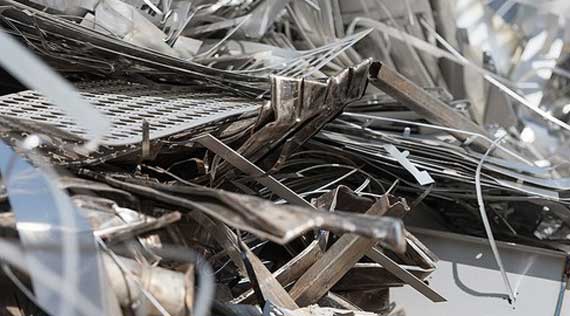
Alloy 330 Scrap, also commonly referred to in the scrap market as 330 Stainless Steel or 330 SS, is a high-temperature nickel-iron-chromium-silicon alloy identified as UNS N08330.
Unlike common stainless grades such as 304 or 316, Alloy 330 contains a much higher percentage of nickel and is designed specifically for demanding high-temperature environments involving oxidation, carburization and repeated thermal cycling.
What Is Alloy 330?
Alloy 330 is an austenitic nickel-iron-chromium alloy containing approximately 35% nickel, 19% chromium and about 1.25% silicon, with iron making up much of the balance.
The combination of nickel, chromium and silicon provides strong resistance to oxidation and carburization while allowing the alloy to retain useful mechanical strength at elevated temperatures.
Alloy 330 is commonly referred to as 330 Stainless in industry and scrap markets, although it is more accurately classified as a specialty nickel-iron-chromium heat-resistant alloy.
What Is Alloy 330 Used For?
Alloy 330 is used primarily in industrial equipment exposed to sustained heat, carburizing atmospheres and repeated temperature changes.
Common applications include:
- Industrial furnace components
- Heat-treatment baskets and fixtures
- Radiant and combustion tubes
- High-temperature furnace fans
- Retorts and muffles
- Conveyor chains and furnace hardware
- Thermocouple sheaths
- Petrochemical furnace components
- Heat-treatment jigs and fixtures
- Flare-stack components
- High-temperature process equipment
Why Is Silicon Important in Alloy 330?
Silicon is one of the distinguishing alloying elements in 330. Although present in much smaller quantities than nickel or chromium, it plays an important role in improving resistance to carburization and high-temperature oxidation.
This is especially valuable in heat-treatment furnaces and other industrial processes where equipment is repeatedly exposed to carbon-rich gases and extreme temperatures.
Alloy 330 vs. 310 Stainless Steel
310 Stainless Steel and Alloy 330 are both used in high-temperature service, but their chemistries are significantly different.
310 generally contains about 25% chromium and 20% nickel, while Alloy 330 contains substantially more nickel, typically around 35%, with approximately 19% chromium and additional silicon.
Alloy 330 is particularly valued for resistance to carburization, thermal shock and repeated thermal cycling. 310 is also highly heat resistant but is a more conventional high-chromium austenitic stainless grade.
Because both materials can appear very similar, industrial scrap should be identified through documentation or alloy analysis rather than appearance alone.
Alloy 330 vs. 309 Stainless Steel
309 Stainless Steel is another heat-resistant chromium-nickel alloy, but it contains substantially less nickel than Alloy 330.
Both may be found in furnaces and thermal-processing equipment, but Alloy 330 is particularly associated with applications involving carburizing atmospheres, thermal cycling and severe high-temperature exposure.
Alloy 330 vs. 304 and 316 Stainless Steel
304 Stainless Steel and 316 Stainless Steel are widely used general-purpose corrosion-resistant stainless grades.
Alloy 330 is designed for a different operating environment. Its much higher nickel content and silicon addition make it particularly suited to high-temperature industrial service rather than ordinary food-processing, architectural or marine applications.
For scrap processors, mixing Alloy 330 with 304 or 316 can dilute valuable nickel content and reduce the ability to recover the material into a more appropriate specialty-alloy stream.
Is Alloy 330 Magnetic?
Alloy 330 is fully austenitic and is generally non-magnetic or only weakly magnetic under normal conditions.
Magnet testing should not be used as the primary identification method because several stainless and nickel-bearing alloys may respond similarly.
How Can You Identify Alloy 330 Scrap?
Visual inspection alone cannot reliably distinguish Alloy 330 from 309, 310 or other high-temperature alloys.
Commercial processors may use:
- Mill certificates and alloy documentation
- Equipment maintenance and fabrication records
- Known furnace or industrial sources
- Handheld XRF analyzers
- Other positive material identification methods
Positive identification is particularly important because the nickel content of Alloy 330 can make it considerably more valuable than common stainless grades.
Can Alloy 330 Be Hardened by Heat Treatment?
Alloy 330 is not hardened by conventional heat treatment. Like many austenitic alloys, its strength can increase through cold working.
Heat treatment may instead be used during fabrication to restore properties or control the material's condition rather than to produce conventional hardening.
Can Alloy 330 Be Welded?
Yes. Alloy 330 can be welded using established processes including gas tungsten arc welding (GTAW), gas metal arc welding (GMAW) and shielded metal arc welding (SMAW).
Correct filler-metal selection is important because Alloy 330 can be susceptible to weld hot cracking when unsuitable filler metal or procedures are used.
Industrial fabrication and repair should follow the alloy supplier's welding recommendations rather than treating Alloy 330 exactly like conventional stainless steel.
What Affects Alloy 330 Scrap Prices?
Alloy 330 Scrap prices are influenced by nickel and chromium markets, alloy certainty, material form, cleanliness, contamination, quantity, location and demand from specialty-alloy processors.
Because nickel represents a significant portion of Alloy 330's chemistry, changes in nickel markets can have an important effect on its recovered alloy value.
Clean, positively identified solids may be valued differently from mixed stainless, contaminated material, turnings or scrap carrying significant carbon-steel attachments.
RecyclingMonster lists 330 Stainless Steel observations within its Stainless Steel Scrap Prices database. Always check the location and last-updated date associated with a quote before using it as a market reference.
How to Maximize Alloy 330 Scrap Value
- Keep verified Alloy 330 separate from ordinary stainless steel.
- Separate 330 from 309, 310 and other heat-resistant alloys when the grade is known.
- Preserve mill certificates, maintenance records and equipment documentation.
- Use positive material identification for mixed specialty-alloy loads.
- Remove excessive carbon-steel attachments and foreign material when economically practical.
- Keep clean solids separate from turnings, fines and contaminated scrap.
- Confirm the buyer's alloy-testing and preparation requirements before processing a commercial load.
Where Can You Sell Alloy 330 Scrap?
Alloy 330 is best marketed to metal processors and specialty-alloy recyclers that recognize and price high-nickel alloys separately.
Not every local scrap yard will maintain a dedicated 330 buying grade, so sellers of identified material should confirm that the buyer can analyze and price the alloy according to its chemistry rather than purchasing it as generic stainless steel.
Use RecyclingMonster's Metal Recycling Center Directory to locate buyers and processors, or use the Recycle an Item tool to search for facilities accepting stainless and specialty alloys.
Have Large Quantities of Alloy 330 Scrap?
Heat-treatment companies, petrochemical facilities, furnace operators, steel producers, foundries and industrial manufacturers may generate bulk quantities of Alloy 330 when high-temperature equipment is replaced or rebuilt.
For larger loads, identify and segregate the alloy before pickup whenever possible. Ask prospective buyers about positive material identification, container service, minimum quantities, freight, pickup charges and whether the material will be priced as verified Alloy 330 rather than mixed stainless.