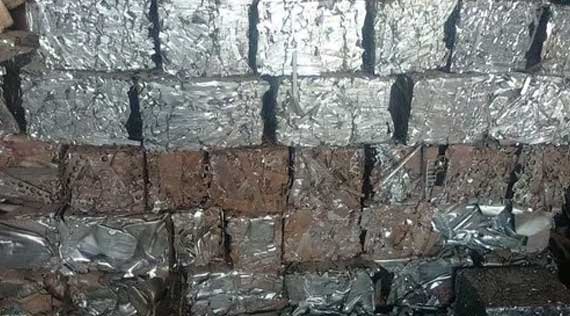
#2 Bundle Scrap is a prepared ferrous scrap grade made from old black and galvanized steel sheet that has been hydraulically compressed into dense bundles for efficient handling, transportation and furnace charging.
It is an important distinction from #1 Bundle Scrap, which is based primarily on clean new black steel sheet and does not permit galvanized or other metal-coated material under the standard ReMA specification.
What Is #2 Bundle Scrap?
Under current ReMA ferrous scrap specifications, No. 2 Bundles, Code 209, consist of old black and galvanized steel sheet scrap hydraulically compressed to charging-box size.
The finished bundle must weigh at least 75 pounds per cubic foot.
The specification does not permit tin-coated, lead-coated or vitreous-enameled material.
How to Identify #2 Bundle Scrap
#2 Bundle Scrap is identified by both the steel entering the bundle and the way the material has been prepared.
Typical characteristics include:
- Old or obsolete sheet steel
- Black steel sheet
- Galvanized steel sheet
- Hydraulically compressed bundles
- Minimum bundle density of 75 lb/ft³
- Preparation suitable for furnace charging
- No tin-coated, lead-coated or vitreous-enameled material
What Materials Are Not Allowed in #2 Bundles?
Standard #2 Bundles should not contain:
- Tin-coated steel
- Lead-coated steel
- Vitreous-enameled material
- Excessive non-metal contamination
- Material that falls outside the receiving buyer's agreed specification
Because scrap specifications can be modified by agreement between buyer and seller, industrial generators should confirm the receiving processor or steel mill's exact purchasing requirements before preparing a large shipment.
#2 Bundle vs. #1 Bundle Scrap
The main difference between #1 and #2 Bundles is the type of sheet steel used to produce the bundle.
#1 Bundle Scrap is made primarily from clean, new black steel sheet, clippings and skeleton scrap and excludes metal-coated material.
#2 Bundle Scrap consists of old black and galvanized steel sheet.
This distinction matters because coatings, obsolete feedstock and material composition can affect melt chemistry, furnace yield and the price a steel mill or scrap processor is willing to pay.
#2 Bundle vs. Bundled No. 2 Steel
These two names sound similar, but they refer to different ReMA specifications.
No. 2 Bundles, Code 209, are based specifically on old black and galvanized steel sheet compressed into dense bundles.
Bundled No. 2 Steel, Code 218, is a broader grade consisting of wrought iron or steel at least 1/8 inch thick, either black or galvanized, compressed to charging-box size at a minimum density of 75 pounds per cubic foot. Under that separate specification, properly prepared automobile body and fender stock may constitute up to 60% of the bundle by weight.
Sellers should therefore avoid using “#2 Bundle” and “Bundled No. 2 Steel” interchangeably when negotiating industrial scrap shipments.
Where Does #2 Bundle Scrap Come From?
#2 Bundle Scrap is generally produced by scrap processors handling obsolete or lower-grade sheet steel that can be compacted into dense furnace-ready bundles.
Common sources may include:
- Scrap-yard baling operations
- Obsolete galvanized sheet steel
- Appliance and equipment dismantling
- Building and demolition sheet metal
- Industrial sheet-steel scrap
- Manufacturing and fabrication operations
The actual material accepted in a #2 Bundle load remains subject to the buyer's specification.
Why Is Bundle Density Important?
Loose sheet steel occupies substantial space compared with its weight. Hydraulic compression increases scrap density, making the material easier to store, transport and charge into steelmaking equipment.
The minimum density requirement of 75 pounds per cubic foot helps create a predictable prepared scrap package for downstream handling.
What Affects #2 Bundle Scrap Prices?
#2 Bundle Scrap prices depend on regional steel demand, material composition, bundle density, cleanliness, quantity, freight, location and the receiving buyer's requirements.
The market relationship between #1 and #2 Bundles is not fixed. Although cleaner prime grades may often command different values, actual spreads change with local demand, steelmaking requirements and market conditions.
RecyclingMonster does not currently maintain a verified dedicated #2 Bundle price page. For current market context, review the Steel Scrap Prices database and Current Scrap Metal Prices.
Always check the specific material name, location, price unit and last-updated date before comparing quotes.
How to Maximize #2 Bundle Scrap Value
- Keep #2 Bundle feedstock separate from clean #1 Bundle material.
- Do not include tin-coated, lead-coated or vitreous-enameled steel.
- Keep excessive dirt, plastic, rubber and other foreign material out of the bundle.
- Confirm the buyer's required dimensions and density before baling large quantities.
- Do not mix unrelated heavy melting, cast iron or nonferrous material into the bundle.
- Compare buyer quotes using the same weight unit and freight basis.
- Confirm whether the buyer is purchasing No. 2 Bundles or the separate Bundled No. 2 Steel specification.
Where Can You Sell #2 Bundle Scrap?
#2 Bundles are purchased by ferrous scrap processors, metal recycling centers and steel-industry consumers that handle prepared sheet-steel scrap.
Use RecyclingMonster's Metal Recycling Center Directory to locate scrap yards and processors by location.
Because #2 Bundle is a specification-driven industrial grade, confirm that the facility purchases bundled ferrous scrap and ask for its feedstock, dimension and contamination requirements before delivery.
Have Large Quantities of #2 Bundle Scrap?
Scrap processors, demolition contractors, appliance recyclers and industrial operations handling larger quantities of sheet steel should consider baling economics, container service, freight and buyer specifications before preparing the material.
For large loads, correctly identifying the feedstock before hydraulic compression is particularly important. Once prohibited or higher-value materials have been compressed into a bundle, separating them can become difficult and expensive.