Most people throw away their trash after the end of a meal, opening a new package or when a container gets empty. They don’t think twice about where their trash ends up. In 2018, Americans threw away roughly 292 million tons of trash. Of this number, only around 69 million tons were recycled.
Pollution is a growing problem. Most people don’t realize the consequences of where these tons of trash end up. Most of it goes to landfills, but on the way there, stuff falls out, gets lost or simply never makes it in the trash bin. Then it ends up in our waterways, backyards, nature centers and in the ocean.
The Great Pacific Garbage Patch is a collection of trash, plastic and marine debris that is created by the ocean’s currents pooling the world’s lost trash together in a 1.6 million square kilometers area. That’s twice the size of Texas and three times the size of France!
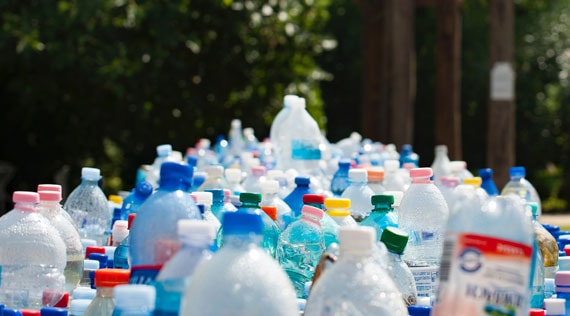
Most of the plastic debris found in ocean patches like this are microplastics, which are small pieces of plastic broken down from larger plastic items like water bottles or straws.
All of this plastic trash prevents tiny marine life from producing their own food from sunlight through a process called photosynthesis. This hurts the health of the ocean and all of the sea animals in it because the food chain is now in chaos and in danger of falling apart.
What is being done?
To combat this plastic waste problem from getting bigger and affecting our local communities, the Center for Hard to Recycle Materials (CHaRM) is a non-profit organization in Athens that works to collect materials that are hard to recycle and stop them from reaching our backyard and local Georgia waterways.
CHaRM collected and stopped 2,728,000 pounds of recycled items in 2020 from local people who took responsibility for their trash and brought in items that can be repurposed and broken down properly.
CHaRM accepts the regular, single-stream items for recycling and also items that people don’t know can be recycled.
Each item has its own way of being collected and destroyed properly. For cardboard, old boxes can be broken down and made into new boxes each time. Styrofoam is turned into insulation for homes to keep housing safe and comfortable. Compost is made from cooking scraps like apple and orange peels or egg shells and tea bags and can be used by local farmers to fertilize the soil.
What can you do?
As a kid, the choice of what to do with trash gives you a power that can change the world. Even by recycling one plastic water bottle, that’s still saving it from being broken down into microplastics and being eaten by the fish in the ocean and making them sick.
To get started on your recycling journey, ask a parent or guardian for help to sort out your trash and see what you already throw away. By seeing what trash you already make, you can think ahead the next time you go to the trash can and remind yourself of the most popular items you use that can be recycled.
Next, get a recycling bin to make it easy to separate out the recyclables from the trash. Items like plastic water bottles, empty milk and juice cartons, cardboard shoe boxes and empty aluminum soda cans are the easiest to recycle and take no effort in sorting.
After collecting a full bin of recycling, ask a parent or guardian to take you to a recycling center near you —CHaRM Recycling is located at 1005 College Ave.— and watch your items be collected and sorted.
By doing your part in keeping the environment healthy and safe for all plants and animals, you are keeping the Earth a better place for you, your family and your friends to live in.