Hazardous Recycling Centers in the United States
Frequently Asked Questions on Hazardous Recycling
The four types of hazardous waste are:
- Flammable/ ignitable waste (solvents, gasoline, paint thinners, and some types of oils)
- Corrosive/ highly acidic or alkaline waste (strong acids, strong bases, certain cleaning agents)
- Reactive/ chemically unstable waste (explosives, unstable chemicals)
- Harmful / toxic waste(heavy metals, pesticides, certain solvents, industrial chemicals)
Whether in office or workplace, storing hazardous waste needs careful planning. Stick on to regulations to ensure safety for humans and environment.
To store hazardous waste,
- identify the types of waste generated and separate them based on compatibility
- use proper containers to store hazardous waste
- clearly label all containers with right details - the type of waste, hazards it poses, etc.
- choose a secure area, inaccessible to unauthorized personnel
- ensure proper ventilation in the storage area
- regularly inspect to prevent any damage, or leaks
Hazardous waste can be referred to as materials that pose threats to public health or the environment due to its chemical, biological, or physical nature. These materials can be generated from various sources, including industrial processes, agricultural activities, healthcare facilities, and households.
Hazardous waste can be in liquid, solid, gas, or sludge form. It may contain toxic substances, acidic materials, or other harmful components. It is crucial to ensure proper handling, treatment, recycling, and disposal of waste to reduce its impact on human health and the environment.
Recycling any hazardous materials aim at protecting both human health and the environment. Some popular ways of recycling hazardous waste include
- Chemical recovery
- Metal reclamation
- Energy recovery
- Neutralization
- Biological treatment
- Material substitution
- Secure landfilling
Choosing the right recycling method requires careful planning, regulatory compliance, and specialized equipment to ensure the safe and effective process. The recycling process involves key steps such as - identifying and separating hazardous substances from non-hazardous waste, and carefully collecting and transporting them to licensed carriers.
How to Recycle Hazardous Waste
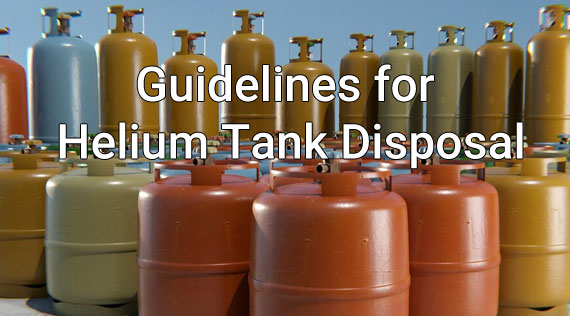
Guidelines for Helium Tank Disposal
Proper helium tank disposal of is crucial to ensure safety and environmental responsibility. Make sure to take the right steps to dispose of.