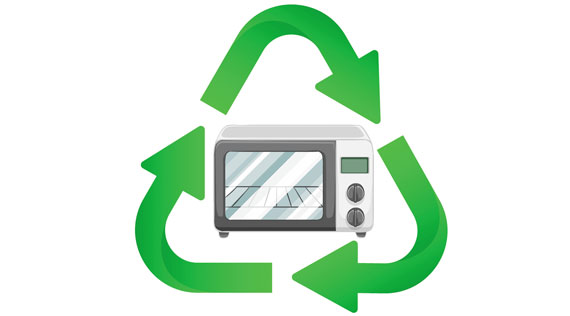
Electronics Recycling Centers in the United States

Junk King - Toronto North
Yard Address:
5 Kodiak Crescent Unit 1North York
Ontario
Canada
ZIP : M3J 3E5

Junk King - Mississauga
Yard Address:
1104 Fewster Drive, Unit 6Mississauga
Ontario
Canada
ZIP : L4W 2V7

Junk King - Hamilton
Yard Address:
325 Old Guelph Road, Unit #6Dundas
Ontario
Canada
ZIP : L9V 5V5

Electronic Scrap Recycling (ESR)

Recycling Technology Consultants
Yard Address:
3635 Trailmobile DriveHouston
Texas
United States
ZIP : 77013

Cinco Electronics Recycling

Cinco Electronics Recycling - Dallas
Yard Address:
2725 South State Hyw 360 Suite 200Grand Prairie
Texas
United States
ZIP : 75052

CTV Recycling

Pensacola Recycling Inc

Tri-Star Electronics Recycling
Yard Address:
141 Space Park SouthNashville
Tennessee
United States
ZIP : 37211

Blind Center of Nevada
Yard Address:
1001 N. Bruce StreetLas Vegas
Nevada
United States
ZIP : 89101
NV Recycling
Yard Address:
6373 US Hwy 50 EastCarson City
Nevada
United States
ZIP : 89701

Express Metals
Yard Address:
8094 Excelsior BlvdHopkins
Minnesota
United States
ZIP : 55343

Main Street Recycling, Inc
Yard Address:
608 E Main StOntario
California
United States
ZIP : 91761

Electronic Recycling Association (ERA)
eWasteNL
Yard Address:
953 Topsail RoadSt. John's
Newfoundland & Labrador
Canada

AfterTech, Inc
Yard Address:
1429 N Rockwell Ave, Ste AOklahoma City
Oklahoma
United States
ZIP : 73127

DMD Systems Recovery Inc

Albertville/Boaz Recycling Center
Yard Address:
311 Sand Mountain DriveAlbertville
Alabama
United States
ZIP : 35950

Rise Equipment Recylcing Center
Frequently Asked Questions on Electronics Recycling
E-waste generation is rising much faster than the amount being recycled. According to a UN report, only 22.3% of the e-waste produced in 2022 was officially gathered and recycled in an environmentally responsible manner. According to the most recent data available, Estonia, Norway, and Iceland boast the highest rates of electronic waste recycling, measured by the percentage of waste each country generates.
In 2020, researchers reported that nearly a million tonnes of e-waste were generated in Canada, with less than 20 percent of it being collected and recycled.
E-recycling or electronic recycling, is the process of collecting, sorting, and refurbishing old electronic devices and their components. The main goals of e-recycling are
- Environmental protection
- Resource conservation
- Energy savings
The process may include shredding, and melting to extract valuable metals, plastics, and other materials for reuse in new products.
Computer waste or electronic waste (e-waste), specifically refers to discarded computer parts. Examples of computer waste are - desktop computers, keyboards, laptops, mice, printers, monitors, scanners, and other computer-related devices. Like other electronic devices, computers contain various hazardous materials, including heavy metals and toxic chemicals, which can leach into the environment if not disposed of properly.
E-waste or electronic waste refers to electronic products that are not working or no longer of use. Computers, televisions, VCRs, stereos, copiers, and fax machines are everyday electronic products. Electronic waste can include many items, including old computers, smartphones, tablets, TVs, refrigerators, and other household appliances. Proper management and recycling of e-waste are crucial for both environmental and human health
How to Recycle Electronics Waste
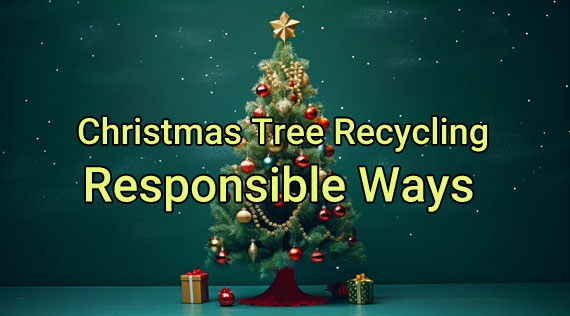
Christmas Tree Recycling - Responsible Ways
Proper preparation and using a reliable Christmas tree recycling directory ensures responsible disposal and maximizes the benefits.
Stop Throwing Away LED Light Bulbs -- Do This Instead
Stop throwing away LED light bulbs and dispose of them responsibly. Proper disposal ensures environmental safety and sustainability.
Recycling and Disposal of Light Bulbs – More to Know
Proper disposal of all types of light bulbs, protects the environment and recovers valuable materials.