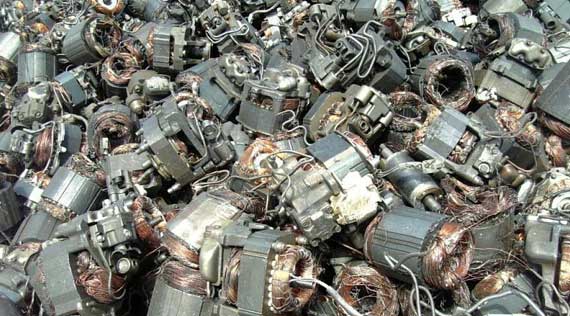
Starter Scrap consists of used or non-working automotive starter motors removed from cars, trucks, heavy equipment and other vehicles.
Starter motors contain recoverable metals including copper, steel, iron and, in some designs, aluminum. However, an old starter may also have value as a rebuildable or remanufacturable core, so sellers should compare core value with scrap value before dismantling the unit.
What Is a Starter Motor?
A starter motor is an electric motor used to crank an internal-combustion engine so the engine can begin operating on its own.
When the ignition system activates the starter, a solenoid engages a small pinion gear with the engine's flywheel or ring gear. The starter motor then produces the torque needed to turn the engine during starting.
What Is Inside an Automotive Starter?
A starter is a composite automotive component rather than a single-metal scrap grade.
Typical starter components include:
- Copper-containing armature windings
- Field windings or permanent magnets
- Starter solenoid and solenoid windings
- Copper terminals and electrical contacts
- Steel shaft and gear components
- Pinion gear
- Bearings and brushes
- Iron or steel housing components
- Aluminum housing sections on some designs
Because several materials are combined in one assembly, scrap yards usually buy starters as complete units rather than pricing them as clean copper.
How Much Copper Is in a Starter Motor?
Starter motors contain copper in the armature, field or solenoid windings and electrical terminals, but there is no single copper percentage that applies to every starter.
Copper content varies by starter design, vehicle type, motor size, age and manufacturer. Heavy-duty truck or equipment starters may differ substantially from smaller passenger-vehicle units.
For this reason, the value of a starter should not be estimated from copper prices alone.
Starter Scrap vs. Starter Core: What Is the Difference?
A starter scrap unit is generally purchased for recovery of the metals and other recyclable materials it contains.
A starter core is a used starter that may still be suitable for rebuilding or remanufacturing.
Automotive-parts suppliers and remanufacturers often use core-return systems in which the old starter is returned after a replacement is purchased. Complete, undamaged cores can have value because housings, armatures, gears and other components may be inspected, rebuilt and reused.
Before selling an intact starter to a scrap yard, check whether a parts supplier, rebuilder or automotive recycler offers a core credit or core purchase price.
Should You Dismantle a Starter Before Selling It?
Not automatically.
Breaking a starter apart may destroy its value as a remanufacturable core. If the starter is complete and suitable for rebuilding, leaving it intact may provide a better return than recovering the individual metals.
If a starter has no core value and will be sold strictly as scrap, a processor may recover copper, steel, iron, aluminum and other materials during downstream processing.
For small quantities, dismantling a starter by hand may not provide enough additional value to justify the labor involved.
What Makes a Starter Valuable as Scrap?
The scrap value of a starter depends on several factors:
- Copper content
- Total unit weight
- Housing material
- Starter size and design
- Completeness of the unit
- Current copper and metal markets
- Whether the starter has remanufacturing core value
- Quantity being sold
- Local buyer demand
Two starters of similar weight may receive different values if one is suitable for remanufacturing or contains a different mix of metals.
Starter Scrap vs. Alternator Scrap
Starters and alternators are both automotive electrical components and both contain recoverable copper and other metals, but they perform different functions.
A starter uses electrical energy from the battery to crank the engine during startup.
An alternator produces electrical power while the engine is operating and helps recharge the vehicle battery.
Scrap yards may purchase starters and alternators under separate buying grades because their construction, metal content and resale or remanufacturing value differ.
Are Aluminum Starters a Separate Scrap Grade?
Some scrap yards maintain a separate Aluminum Starters buying category for starter assemblies with significant aluminum housing content.
Do not assume every starter qualifies for an aluminum-starter grade. The receiving yard determines the classification based on the unit's construction and its own purchasing specifications.
For market comparison, see RecyclingMonster's Aluminum Starters Scrap Prices.
What Affects Starter Scrap Prices?
Starter Scrap prices vary according to unit type, metal content, completeness, condition, quantity, location and buyer requirements.
Copper-market conditions can influence values because starters contain copper-bearing windings, but copper is only one component of the assembly.
For current grade-specific market information, view RecyclingMonster's Starters Scrap Prices.
RecyclingMonster's Starter Scrap price page includes U.S. and Canadian yard observations, historical data and location-specific prices. Always check the location and last-updated date before comparing offers.
How to Maximize Starter Scrap Value
- Check for remanufacturing or core-return value before scrapping the unit.
- Keep complete rebuildable starters intact unless the buyer advises otherwise.
- Separate starters from alternators when the yard prices them differently.
- Keep starters free of excessive unrelated attachments.
- Separate aluminum-housing starter grades when requested by the buyer.
- Compare multiple buyer quotes for commercial quantities.
- Check the price date and unit before comparing online scrap quotes.
Where Can You Sell Starter Scrap?
Starter motors may be purchased by scrap-metal yards, automotive recyclers, starter and alternator rebuilders, core buyers and remanufacturing companies.
RecyclingMonster maintains a dedicated Starter Recycling Centers directory for facilities that identify starters among the materials or automotive parts they accept.
You can also search the Starters & Alternators Recycling Centers directory, the broader Automotive Recycling Center Directory, or RecyclingMonster's Metal Recycling Center Directory.
Can Used Starters Be Remanufactured?
Yes. Starters are commonly included in automotive remanufacturing and core-return programs.
A remanufacturer may inspect the housing, armature, field coils, solenoid, gears and other components and replace or restore parts as needed before the unit is tested for reuse.
A complete starter in suitable condition can therefore follow a reuse or remanufacturing pathway before final material recycling.
Have Large Quantities of Starter Scrap?
Auto repair shops, vehicle dismantlers, fleet operators, truck repair facilities and automotive recyclers can generate substantial quantities of used starters.
For bulk quantities, separate reusable or rebuildable cores from units intended strictly for material recovery. Ask buyers whether they purchase starters by weight, by unit, by core category or under separate aluminum-starter grades.
Large generators should also ask about gaylord boxes, bins, palletized collection, scheduled pickup, minimum quantities and whether starters and alternators need to be kept separate.