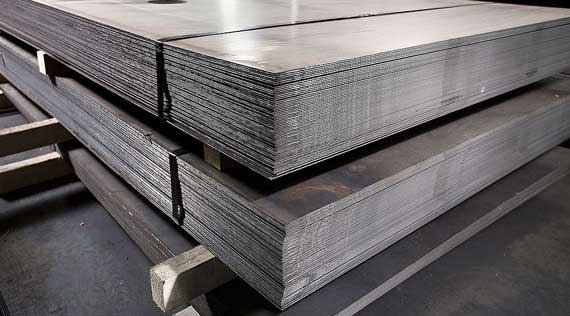
Sheet Metal Scrap consists of relatively thin, flat metal generated during manufacturing, fabrication, construction, automotive repair, equipment dismantling and demolition.
In everyday scrap-yard terminology, “sheet metal” often refers to light-gauge ferrous steel. However, sheet can also be made from aluminum, stainless steel, copper, brass and other metals, and those nonferrous or alloyed materials should be separated whenever they can be identified because they are priced and processed differently.
What Is Sheet Metal?
Sheet metal is metal that has been rolled or otherwise formed into relatively thin, flat sections. Manufacturers can cut, bend, stamp, punch, draw and form sheet into a wide range of finished products and components.
Steel sheet is widely used in automotive bodies, appliances, HVAC equipment, construction products, machinery and general fabrication. Aluminum sheet is common in transportation, building products, consumer goods and other applications where low weight, formability and corrosion resistance are useful.
What Metals Are Used to Make Sheet Metal?
“Sheet metal” describes a physical form rather than one specific alloy or metal.
Common sheet metals include:
- Carbon steel sheet: Common in automotive, appliances, fabrication and construction.
- Galvanized steel sheet: Steel coated with zinc for added corrosion protection.
- Stainless steel sheet: Used in food equipment, appliances, architectural products and industrial applications.
- Aluminum sheet: Used in transportation, building products, equipment and consumer goods.
- Copper sheet: Used in roofing, electrical, architectural and specialty applications.
- Brass sheet: Used in decorative, electrical and industrial components.
Because these metals have very different compositions and scrap values, they should not be mixed together when the material can be identified and segregated.
Common Sources of Sheet Metal Scrap
Sheet metal scrap can be generated as clean manufacturing offcuts or recovered from end-of-life products and structures.
Common sources include:
- Manufacturing offcuts and stampings
- Automotive body panels and components
- HVAC ductwork
- Roofing and siding
- Appliance housings
- Metal cabinets and enclosures
- Fabrication-shop remnants
- Building panels and flashing
- Machinery guards and covers
- Construction and demolition projects
How Can You Identify Sheet Metal Scrap?
The first step is determining the base metal.
A magnet can help separate many common carbon-steel and galvanized-steel sheets from nonferrous materials such as aluminum, copper and brass.
However, magnet testing has limitations. Some stainless steels are weakly magnetic or non-magnetic, while cold-worked stainless may show a stronger magnetic response.
For higher-value or mixed industrial material, source records, visual characteristics and alloy-analysis equipment may be needed to confirm the exact grade.
Ferrous vs. Nonferrous Sheet Metal Scrap
Ferrous sheet metal contains iron and includes most common carbon-steel and galvanized-steel sheet.
Nonferrous sheet metal includes aluminum, copper and brass, which generally do not respond to a magnet and are usually marketed separately from steel.
Keeping nonferrous sheet out of a ferrous load can preserve substantially more material value and improve sorting efficiency at the scrap yard.
What Is Sheet Metal Gauge?
Sheet thickness is often described by a gauge number, particularly for steel, galvanized steel, stainless steel and aluminum.
A higher gauge number generally indicates thinner sheet, but the same gauge number does not represent the same thickness across every material.
For example, carbon steel, galvanized steel, stainless steel and aluminum use different gauge references. Sellers and fabricators should therefore identify both the metal type and the actual thickness rather than relying on a gauge number alone.
Sheet Metal vs. Sheet Iron Scrap
The terms “sheet metal” and “sheet iron” are sometimes used interchangeably at scrap yards, but commercial definitions can differ.
Sheet Metal Scrap can refer broadly to thin metal and may include several metals depending on context.
Sheet Iron is typically used as a ferrous scrap-yard category for relatively light steel sheet and similar thin iron-bearing material.
Because yard definitions vary, sellers should confirm the receiving facility's exact grading rules before assuming that all thin steel will be purchased under the same category.
For current market information, compare RecyclingMonster's Sheet Metal Scrap Prices and Sheet Iron Scrap Prices.
Sheet Metal vs. Heavy Steel Scrap
Thin sheet steel should not automatically be classified with heavier ferrous grades such as HMS, structural steel or prepared heavy steel.
Heavy melting grades have minimum thickness and preparation requirements, while sheet metal is typically much thinner and may be handled through baling, shredding or other processing routes.
Keeping light sheet separate from heavy prepared steel helps processors maintain more consistent commercial grades.
Galvanized vs. Bare Steel Sheet Scrap
Galvanized sheet is carbon steel coated with zinc for corrosion protection.
It may be purchased differently from clean bare steel sheet because the coating changes the material entering the melt stream.
Buyers may also separate galvanized sheet according to the downstream process or furnace specification.
Do not assume that galvanized and bare steel sheet will always receive the same grade or price.
What Affects Sheet Metal Scrap Prices?
Sheet Metal Scrap prices depend on the base metal, grade, thickness, coatings, cleanliness, preparation, quantity, location, freight and buyer requirements.
Ferrous sheet is generally priced differently from heavier prepared steel, while aluminum, copper, brass and stainless sheet are valued according to their respective metal and alloy markets.
For current market information, view RecyclingMonster's Sheet Metal Scrap Prices.
If the material is specifically ferrous sheet, compare Sheet Iron Scrap Prices and the broader Steel Scrap Prices database.
If the material is aluminum, use Aluminum Sheet Scrap Prices or RecyclingMonster's broader Aluminum Scrap Prices.
Always check the material name, location, price unit and last-updated date before comparing quotes.
How to Maximize Sheet Metal Scrap Value
- Separate ferrous sheet from aluminum, copper, brass and stainless steel.
- Keep clean manufacturing offcuts separate from mixed demolition scrap.
- Separate galvanized sheet from bare steel where the buyer uses different grades.
- Remove excessive plastic, rubber, insulation, wood and other non-metal attachments when economically practical.
- Keep higher-value alloy sheet out of general light-iron loads.
- Confirm the buyer's size and preparation requirements before processing bulk material.
- Compare prices using the same material grade and weight unit.
Can Sheet Metal Scrap Be Baled or Compacted?
Yes. Light-gauge steel sheet has relatively low bulk density compared with heavier steel, so processors may bale, compact or shred the material to improve storage, transportation and downstream handling.
The preferred preparation depends on the receiving yard or steel consumer. Industrial generators should confirm whether material should be loose, baled, containerized or otherwise prepared before investing in processing equipment.
Where Can You Sell Sheet Metal Scrap?
Sheet Metal Scrap is purchased by metal recycling centers, ferrous scrap yards and processors.
Use RecyclingMonster's Metal Recycling Center Directory to find scrap yards and processors by location.
For a more targeted search, use RecyclingMonster's Recycle an Item tool and search for Sheet metal, Sheet Iron, Sheet Aluminum or the specific metal you need to recycle.
Have Large Quantities of Sheet Metal Scrap?
Manufacturers, fabricators, contractors, HVAC companies and demolition firms can generate significant volumes of sheet metal.
For bulk loads, ask prospective buyers about roll-off containers, scheduled pickup, baling requirements, minimum quantities, contamination limits and delivered-versus-pickup pricing.
Transportation economics can be particularly important for light steel sheet because loose material occupies substantial volume relative to its weight. Compaction, baling or more efficient container loading may improve freight economics depending on the buyer's requirements.